

#Socialites, get a load of this! The European Broadcasting Union is cracking down on the sexualization of female athletes as they introduce new broadcast rules seeking to ban “sexualizing” camera angles during women’s sports events. However, at the moment, there is no enforcement of these guidelines nor are there any penalties if sports broadcasters fail to adhere to them.
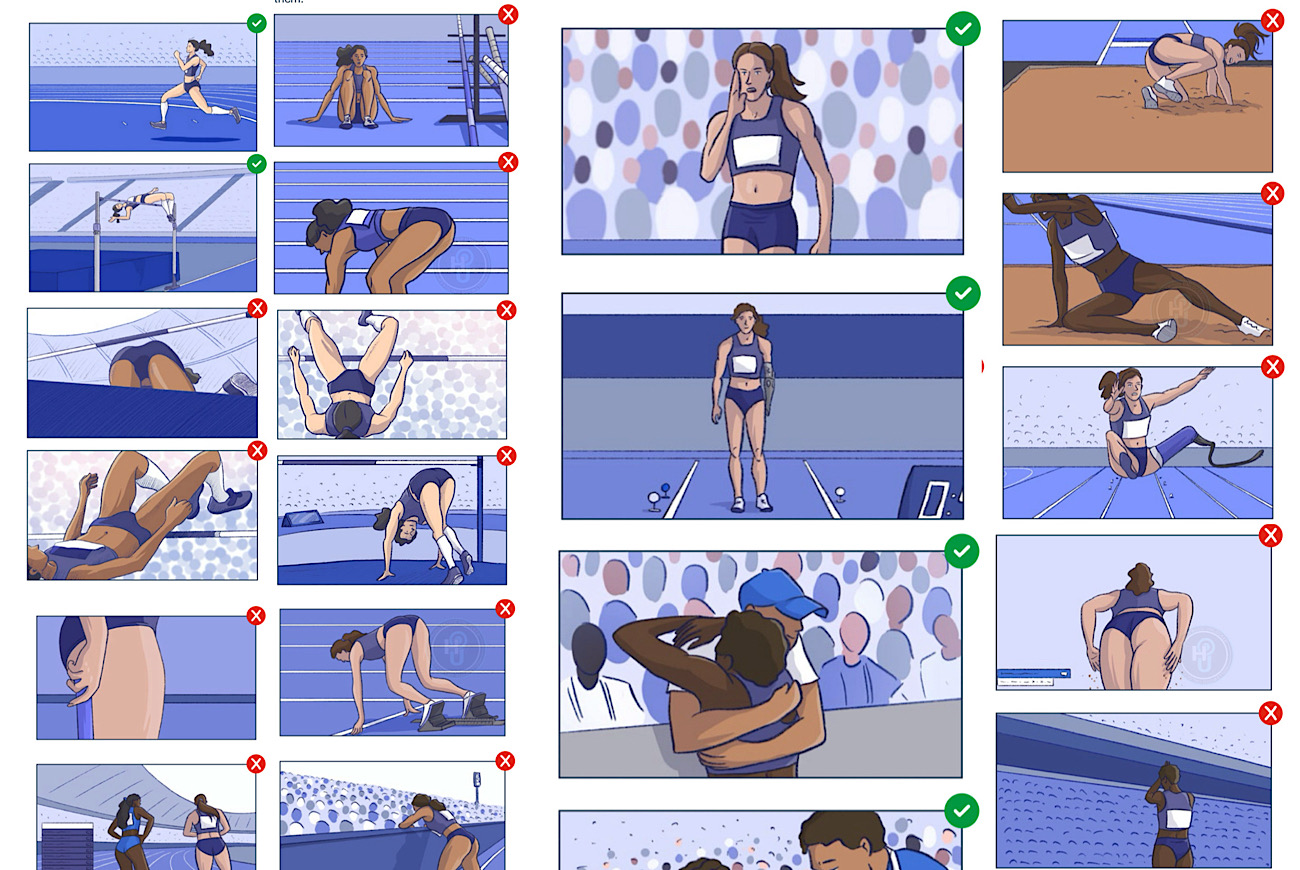
The European Broadcast Union has issued new guidelines in the form of a booklet and webpage. The booklet and article are titled, ‘Raising the Bar: Guidelines for respectful media coverage in women’s athletics.’ On the webpage, it read:
“How do you film a sportswoman so the footage honours her power and skill rather than undermining it? Raising the Bar sets out practical guidelines for respectful camera work in women’s athletics, drawing on real broadcast examples and the first-hand experiences of Olympic competitors [British Olympic pole vaulter] Holly Bradshaw, [Serbian long jumper] Ivana Španović, and [Croatian high jumper] Blanka Vlašić. It shows how the angles that best capture technique and emotion are often the very same ones that treat athletes with dignity. This is not a list of restrictions. Across high jump, pole vault, horizontal jumps and running events, the report demonstrates how the most compromising shots can be avoided with no loss of storytelling or visual quality. Whether you direct a major production or work with a small crew, it offers a clear, shared standard for broadcasters, directors, camera operators and the athletes they cover.”
European Broadcast Union To Ban Camera Angles ‘Sexualizing’ Women Athletes During Sporting Events
The The 23-page guide attempts to show the approved and banned camera placement angles and shows how some of the bad choices and editing could potentially show a female athlete in a compromising position.
The guide also offers broadcasters guidelines on how to set up their camera shots and how to show slow-motion replays that, again, won’t sexualize or show female athletes in undignified poses.
It’s reported that the 23-page guide and banned angles arrive as several stories surface about women athletes being harassed online. In some of the reported misogynistic posts, the camera shows the women athletes in slow motion, focusing on certain body parts.
In the booklet, Glen Killane, executive director of EBU Sport, wrote:
“The sexualization of women athletes through selective camera angles and editing choices continues to be a significant concern across many sports broadcasts. Lingering shots on bodies, low-angle cameras that capture revealing views, and excessive slow-motion replays that serve no technical or storytelling purpose are among the issues observed in the media coverage of women’s athletics competitions today.”
Additionally, Bradshaw wrote in the guide:
“How our sport is displayed during live broadcast can be incredibly powerful yet sometimes harmful to the women competing and the women/girls watching. I first-hand have received social media abuse and witnessed inappropriate videos online of myself and colleagues when slow-motion content of us competing is captured. Athletes want to enjoy themselves doing the sport they love without feeling uncomfortable or anxious about the footage being shown live. Many athletes, myself included have been in competitive scenarios where they are more focused on the cameras instead of their own performance. There are so many different angles to be shown of our sport that can highlight how technical and impressive these field events and athletes are, however on too many occasions cameras are zoomed in, showing super slow-motion action replays of athletes in undignified positions.”
Španović wrote:
“When we step onto the runway, track, or field, we showcase the very best of our sport: a fusion of power, technique, and passion and the only thing we want is to execute our best jumps. However, certain camera angles, combined with gender stereotypes, not only cause discomfort for athletes and unnecessary distractions during competition but how it is broadcasted can also have serious long-term effects on athlete’s mental health, sometime even the position of the camera is not in the right place and can cause risk of injuries during warm-up etc. As members of the global athletics community, we share a responsibility to present our sport in a way that engages, informs, and uplifts. By focusing on the skill and strength of the sport, we can create a more respectful and inspiring viewing experience. Commentators also play a crucial role in enriching broadcasts by highlighting athletes’ performances, strengthening audience connections, educating and motivating the next generation. We look forward to working together to elevate athletics broadcasts—ensuring they respect athletes while inspiring and engaging fans around the world.”
Vlašić wrote:
“In high jump, the position over the bar is a direct result of the run-up. Success depends on having the right rhythm, maintaining high hip position during running and take-off, running the bend properly, and launching from an ideal distance. For educational coverage, Camera 1 and Camera 3 are excellent for showcasing running technique, while Camera 5 can capture the critical body position in the final steps—where the jumper must tilt toward the mat to harness the centrifugal force that makes successful jumps possible. It’s essential for viewers to understand why we run the way we do, and and why properly running the bend in the second part of the run up is so crucial to performance.”
#Socialites, be sure to check out the post below, then leave us your thoughts in a comment after!