

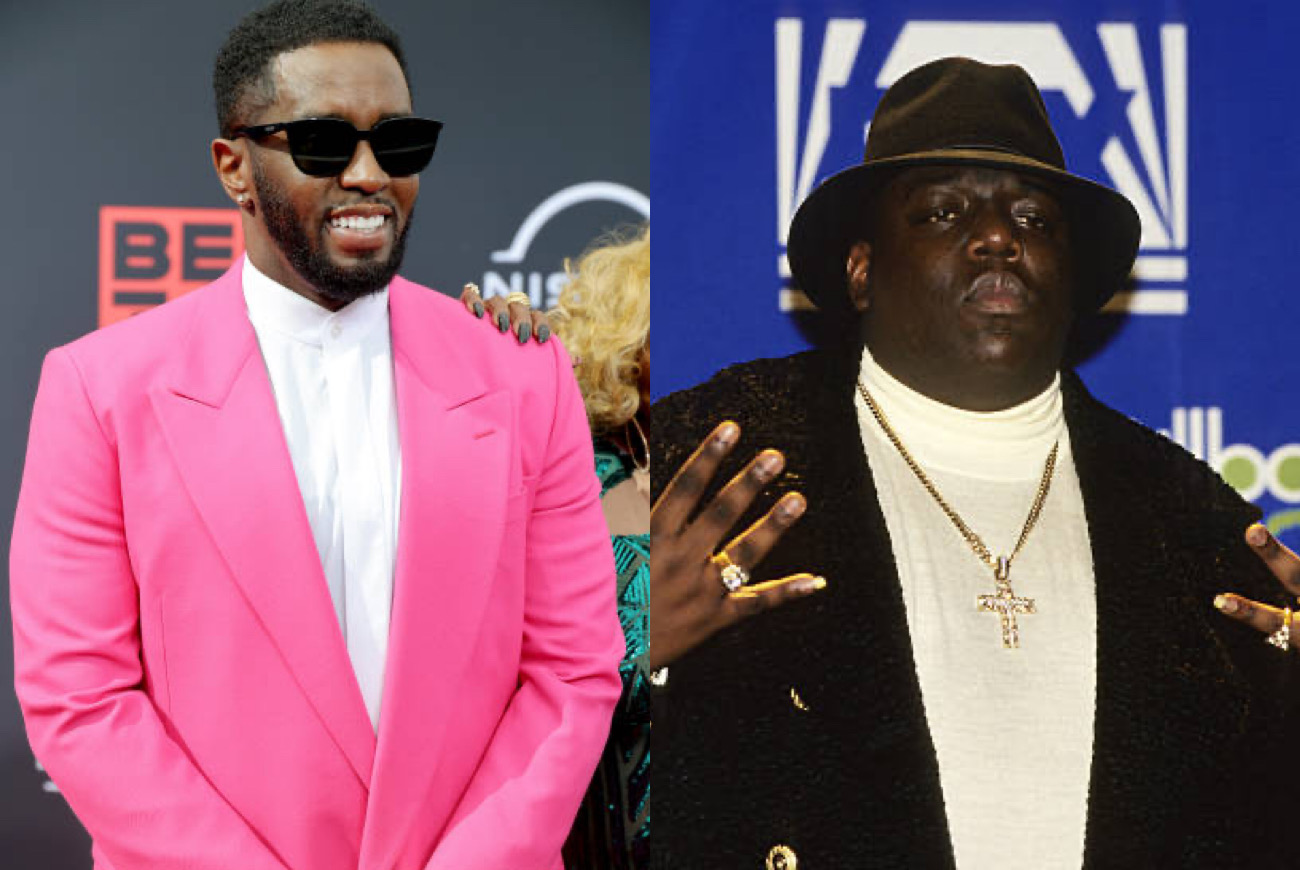
In a new legal development, Sean “Diddy” Combs is firmly pushing back against explosive claims made in a lawsuit filed by publicist Jonathan Hay. According to newly filed court documents, Diddy is not holding back. Instead, he is directly challenging every accusation, calling them completely untrue.
In his official response, Diddy “generally and specifically” denies all allegations listed in the amended complaint. At the same time, his legal team argues that Hay did not suffer any harm and is not entitled to financial compensation. This latest filing marks a major escalation in a case that has already drawn widespread attention due to its shocking nature. The allegations themselves are not subtle, and now Diddy’s legal strategy is equally aggressive.
Details Behind The Lawsuit And Allegations
The lawsuit centers on claims made by Jonathan Hay, who alleges disturbing incidents involving Diddy and late rap icon The Notorious B.I.G..
According to the complaint, Hay claims that during a 2020 visit to a warehouse, Diddy masturbated into one of Biggie’s shirts and then threw the semen-soaked garment at him while stating, “RIP Biggie.”
In addition, Hay alleges a separate incident from 2005. He claims that Diddy shoved his penis in his face. The lawsuit was later amended to include further claims involving Biggie’s son, CJ Wallace. Hay alleges that Wallace helped orchestrate a situation where Diddy attempted to force oral sex on him. These allegations are serious and graphic. As a result, the case has quickly gained public attention and media coverage.
For additional reporting on this case, see coverage from TMZ.
Despite the severity of these accusations, it is important to note that they remain claims presented in a lawsuit and have not been proven in court.
Diddy’s Legal Team Responds With Aggressive Defense Strategy
Diddy’s attorneys are taking a multi-layered approach in their defense. According to court filings, they argue that Hay either consented to or even “welcomed” the alleged actions. This claim is expected to be a key part of their legal strategy moving forward.
Additionally, the defense challenges the false imprisonment claim. Lawyers argue there was “no actual confinement.” They also suggest that any restraint that may have occurred could fall under a lawful citizen’s arrest.
The legal team goes even further. They state that if any physical interaction happened, it may have been an act of self-defense. According to their filing, Hay allegedly acted with “hostility,” which could justify Diddy’s response. This layered defense shows that Diddy is not simply denying the allegations. Instead, he is actively dismantling each claim piece by piece in court.
Legal experts often note that this kind of comprehensive rebuttal can shape how a case unfolds, especially in high-profile celebrity lawsuits.
Arguments About Timeline, Damages, And Legal Responsibility
Beyond denying the allegations, Diddy’s legal team is also attacking the structure of Hay’s lawsuit. They argue that the timing of the filing raises concerns. Specifically, they suggest that Hay may have waited too long to bring the case forward.
This argument could be tied to statutes of limitations. If successful, it could weaken or even eliminate parts of the lawsuit. In addition, the defense claims that Hay may have contributed to his own alleged damages. This is a common legal argument used to reduce liability. They also argue that Hay failed to mitigate damages, meaning he did not take reasonable steps to limit the harm he claims to have suffered.
These legal points matter. They shift the focus from just the allegations to the credibility and viability of the case itself.
At this stage, the court has not made any rulings on these arguments. However, they will likely play a significant role as the case moves forward.
Diddy Pushes For Case To Be Thrown Out
Ultimately, Diddy is asking the court to dismiss the lawsuit entirely. His legal team is not aiming for partial wins. Instead, they are seeking a full dismissal and a judgment in his favor. This move signals confidence in their defense strategy. It also shows that Diddy intends to fight the case aggressively rather than settle quietly.
In high-profile legal battles like this, motions to dismiss are often critical. If granted, they can end a case before it ever reaches trial. However, if denied, the case will likely proceed into discovery and potentially a courtroom showdown.
For now, both sides are standing firm. Hay maintains his claims, while Diddy is rejecting them completely.