

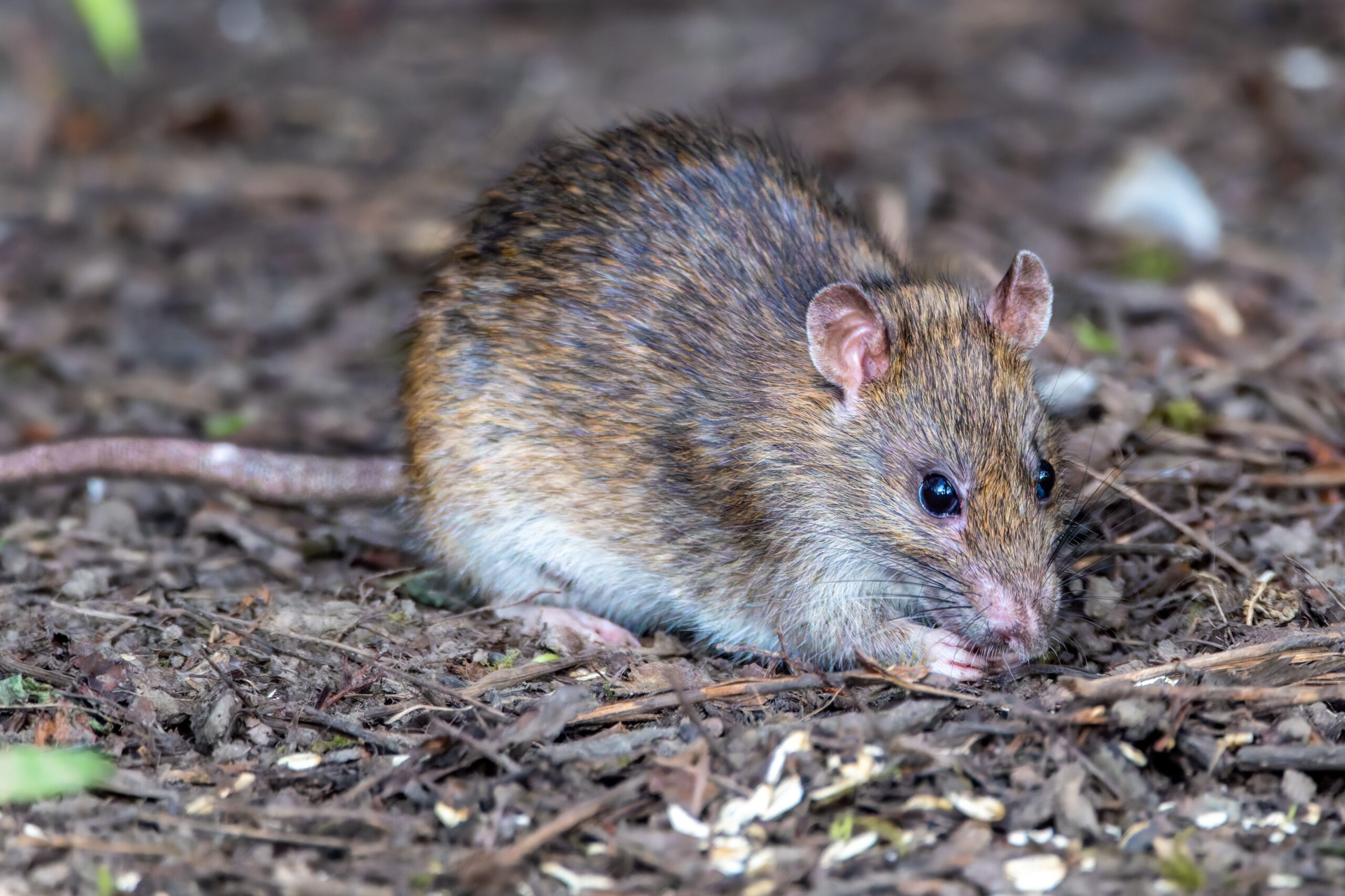
Health officials in California have issued a public warning after a resident died from leptospirosis, a rare bacterial disease associated with exposure to infected animals, particularly rats.
According to PEOPLE, Paul Buddenhagen, the city manager of Berkeley, announced that the first human death linked to leptospirosis in the area was reported on June 10. While officials emphasized that the disease currently poses a low risk to the general public, the case has prompted renewed efforts to address the city’s growing rat population and educate residents about potential health hazards.
What Is Leptospirosis and How Is It Spread?
Leptospirosis is a bacterial disease that spreads through the urine or other bodily fluids of infected animals. Humans can become infected when contaminated fluids come into contact with broken skin, the eyes, nose, or mouth.
Health experts say the risk is typically low, but it increases in environments where people have frequent exposure to rodents or animal waste. According to city officials, individuals experiencing homelessness, living in areas with significant rat activity, or residing in unsanitary conditions may face a higher risk of exposure.
In this case, authorities reported that the deceased individual and their partner were living in an RV where they had reportedly been trapping and breeding wild rats. Officials said the vehicle was heavily infested.
“In addition, the vehicle was severely infested with wild rats that were not in cages,” Buddenhagen said in a statement.
The individual’s partner also contracted the disease but eventually recovered after receiving treatment, despite reportedly delaying medical care for several months.
Officials Discovered An Extensive Rat Infestation Around the RV
Following the diagnosis, the Alameda County Vector Control Services District launched an extensive rodent-control operation around the RV. Authorities placed rat traps both inside and outside the vehicle and conducted ongoing monitoring to reduce the infestation. Officials entered the RV only to remove dead rodents during the cleanup.
The operation continued for several days until inspectors determined that all remaining rats had been removed. The vehicle was ultimately destroyed due to the severity of the infestation and contamination concerns.
According to officials, testing conducted during the cleanup revealed unusually high rates of leptospirosis among local rat populations.
“Continuous trapping and testing by Alameda County Vector Control revealed a persistently high prevalence of leptospirosis in wild rats around the RV, exceeding expected urban baselines.”
The findings have raised concerns among public health experts, who are continuing to monitor the area.