

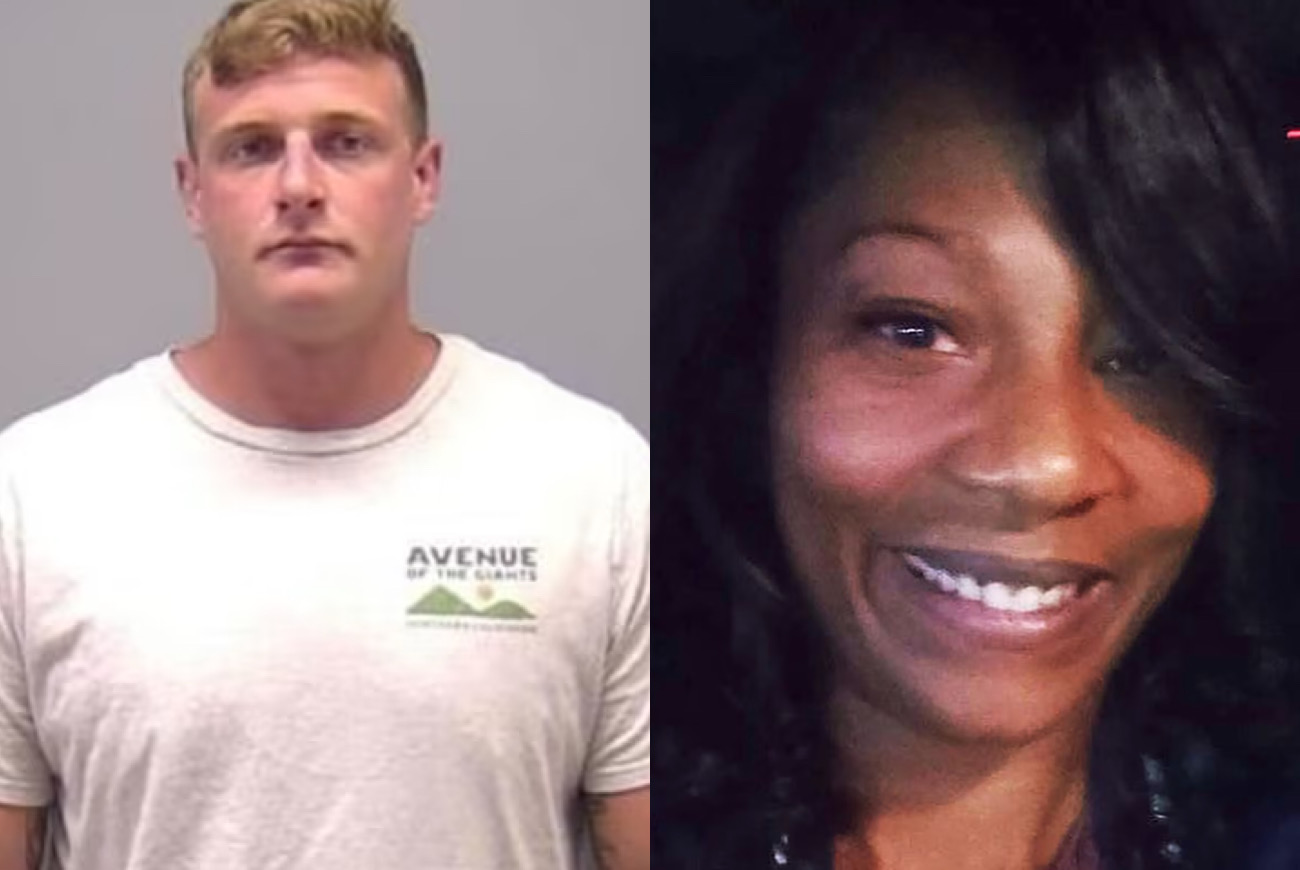
Justice For Sonya Massey: Former Deputy Sean Grayson Found Guilty
After months of pain, protests, and prayer, the community of Springfield, Illinois, finally got the verdict they were waiting for. Sean Grayson, a former sheriff’s deputy, has been found guilty of second-degree murder for the 2024 killing of Sonya Massey, a Black mother of two who called 911 out of fear there was a prowler near her home.
Grayson, who originally faced a first-degree murder charge, was convicted on the lesser count after jurors were given the option. The move, according to legal analysts, reflected strategy more than mercy.
Former federal prosecutor Mark Chutkow explained to NBC News that the defense likely pushed for the inclusion of the second-degree option to avoid an “all-or-nothing” outcome.
“The prosecution likely felt confident about their case and was willing to go for an all-or-nothing verdict. But the defense did not want to take that chance, so they advocated for a lesser included charge,” he said.
The conviction carries a potential prison sentence of four to twenty years, but under Illinois law, Grayson could serve half that time with good behavior.
This case—another gut punch in a long list of tragedies—sparked nationwide outrage when bodycam footage showed Massey’s final moments inside her kitchen, where a simple cry for help ended in violence.
The Fatal Encounter That Shook Springfield
The fatal incident took place in July 2024, after Sonya Massey called 911 reporting a possible intruder outside her Springfield home. Instead of protection, she met a death sentence.
Bodycam video revealed a confrontation that spiraled within seconds—Massey, standing in her own kitchen, holding a pot of boiling water, was shot after a tense back-and-forth with Grayson. Witnesses say she was frightened but calm, trying to explain herself before chaos erupted.
Her killing reignited long-standing conversations about police violence against Black women, particularly those who reach out for help only to become victims themselves.
The outrage was immediate. Vigils, marches, and online campaigns demanding #JusticeForSonyaMassey spread across the country.
Activists and civil rights leaders called for deeper accountability within law enforcement, pointing out that even in her own home, Sonya wasn’t safe.
Grayson’s defense centered on his alleged fear during the moment. But for many watching, that “fear” looked like the same tired excuse too often used when Black lives are lost at the hands of police.
Inside The Courtroom: Grayson’s Defense And Testimony
On Monday, Sean Grayson took the stand to tell his side of the story. According to him, the shooting wasn’t about race or rage—it was about fear. He claimed that when Massey said, “I rebuke you in the name of Jesus,” he believed she was about to attack him with the boiling water.
“I didn’t want to take the chance of the Taser malfunctioning,” Grayson testified. “The Taser doesn’t work on everybody.”
But prosecutors weren’t buying it. They argued that Grayson escalated the encounter instead of de-escalating, turning what should’ve been a routine welfare check into a fatal confrontation.
The footage painted a clear picture: Massey didn’t move aggressively toward him. She didn’t swing or shout. She just spoke—words of faith, not threat—and still ended up dead.
For many, this wasn’t just a trial about a single woman’s death. It was a mirror held up to a system that keeps finding excuses when police violence takes Black lives.
Community Reaction: Outrage, Relief, And A Call For Real Change
The moment the verdict dropped, a mix of tears and cheers echoed outside the courthouse. Activists, family members, and community leaders hugged each other, knowing this conviction—though not first-degree—still represented accountability.
For Sonya’s family, the fight has always been bigger than just punishment. It’s been about honor, humanity, and healing.