

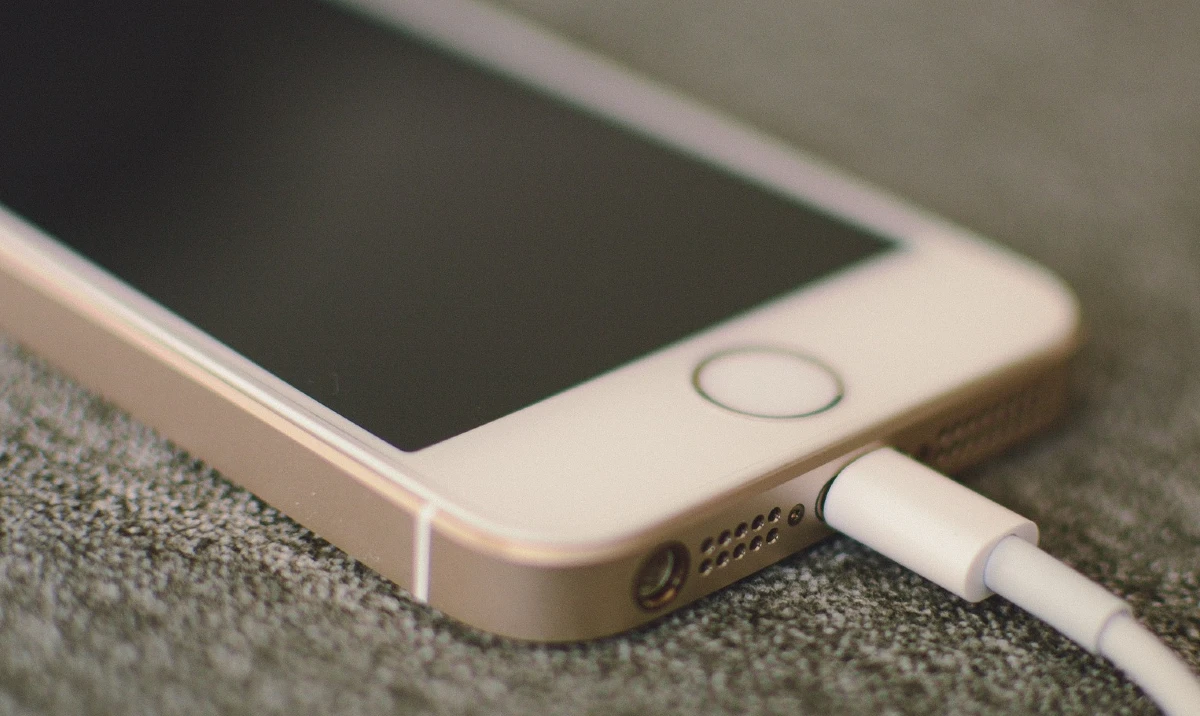
The FBI has issued a warning to consumers using free public charging stations as scammers have managed to hack the charges that can infect phones and other devices.
RELATED STORIES: DOJ & FBI Investigating Claims That TikTok Owner ByteDance’s Employees Allegedly Spied On Journalists
Officials at the FBI’s Denver office released a statement warning the public to use caution when plugging in their phones, tablets, or other devices in free charging stations. As reported by NBC News, hackers have found a way to use USB ports to input malware and monitoring software onto devices. The scheme is called “juice jacking,” and the FCC also released a warning about it since its start in 2021.
“Avoid using free charging stations in airports, hotels, or shopping centers. Bad actors have figured out ways to use public USB ports to introduce malware and monitoring software onto devices. Carry your own charger and USB cord and use an electrical outlet instead.”
RELATED STORIES: FBI Reveals Four Americans Were ‘Assaulted’ & ‘Kidnapped’ In Mexico After Crossing Border — Offering $50K Reward For Attackers & Victims
Juice jacking is a cyber attack involving stealing data or installing malware on a device via a USB charging port. It typically occurs when someone plugs their mobile device into a public charging station, such as at airports, malls, or other public places. Hackers can install malicious software on the charging station or use special charging cables to steal data from the connected device, including passwords, credit card numbers, and other sensitive information. To protect against juice jacking, using a personal charger or a portable battery pack instead of public charging stations and avoiding using unknown charging cables or USB ports is recommended.
Those with compromised USB cables can be hacked through software with access to their usernames, passwords, and other security issues. Additionally, physical damage can contribute to the risks of using charging stations as they may not be properly maintained, and the charging cable or port may be damaged, which can cause physical damage to your device.
Some Twitter users offered their own advice on preventing your data from being compromised by using a data blocker.
You can get a data blocker, something like this:https://t.co/FVOsztS7Hn
— Tuna Toksoz (@tehlike) April 10, 2023
PSA: There are USB cables that lack a data wire and only carry power. They can safely be used anywhere. Also available as USB M-F adapters that can be used with existing USB cables. OR, you can just cut the data wire in one of your own cables (see YouTube for instructions).
— Tom Burke (@reactivelight) April 10, 2023
One of the times where I agree with he government.
Please people be careful where you plug your devices into while in public.Always bring your own charging brick! 💜 https://t.co/pTqPa9PHpv
— numberoneappgames (@NOAP1337) April 11, 2023
Avoid the type of public chargers that offer the convenience of just plugging in their cable to your phone. International travelers may find it tempting, but the risks are real. the Bring your own plug and cable use with a standard power outlet. https://t.co/6Mtao6E7Aq
— Arun (@arunsasi) April 10, 2023