

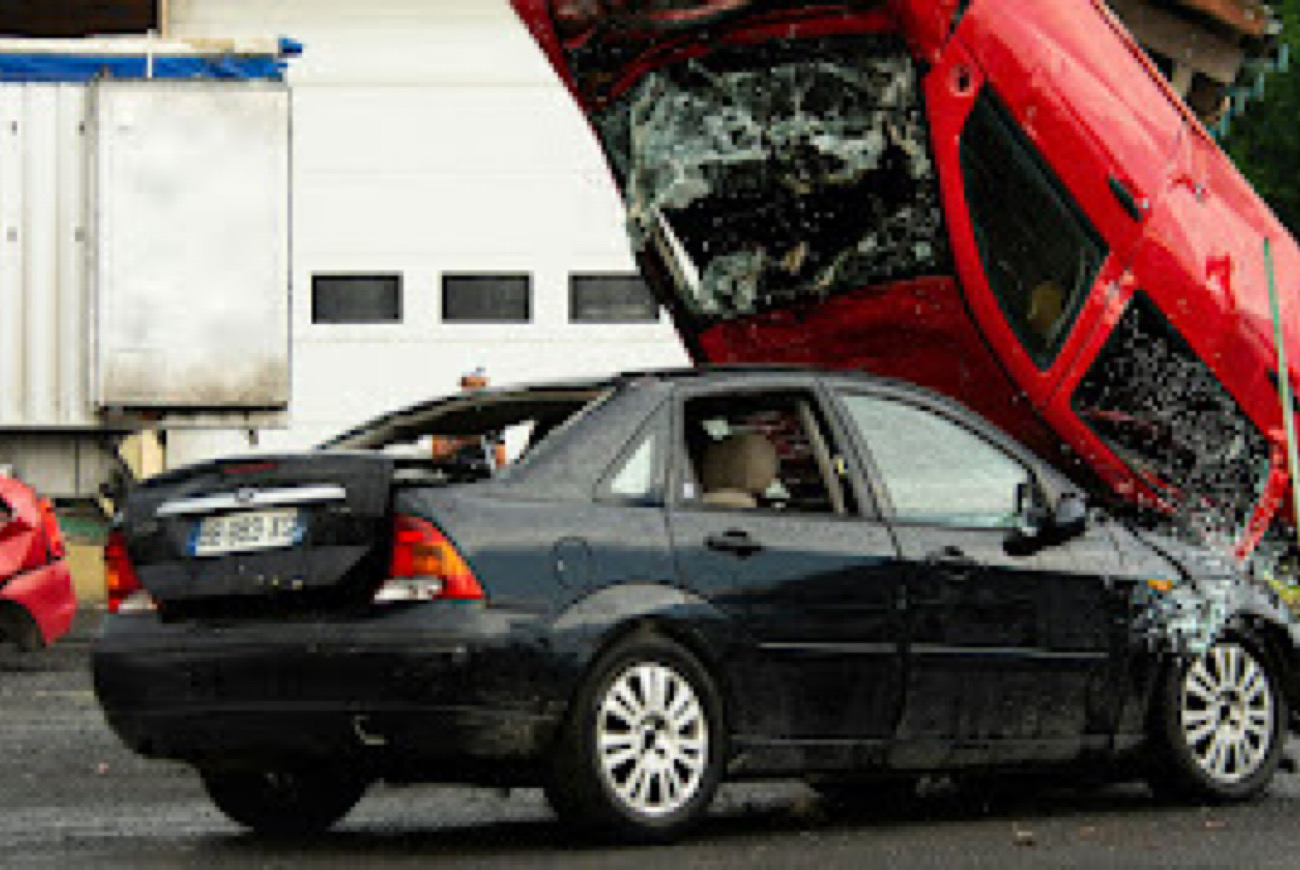
Los Angeles has been the backdrop for some of the nation’s most high-profile car accidents, involving celebrities, horrific multi-vehicle pileups, and crashes that expose systemic safety failures. While media coverage focuses on the immediate drama, the lasting impact unfolds in the courtroom. These notorious cases create legal ripples that influence insurance practices, city policy, personal injury law, and public perception for years. Examining the legal fallout from these headline-grabbing crashes provides a unique lens into how civil justice operates under a public microscope and drives change far beyond the individuals involved.
Celebrity Crashes: Scrutinizing Privacy, Liability, and Media Frenzy
When a famous actor, musician, or public figure is involved in a serious crash, the legal process is conducted in a blinding spotlight. These cases test the boundaries of privacy as the injured party’s medical records and personal life become subjects of public fascination and legal discovery. They often involve complex liability questions: Was the celebrity negligent, or were they the victim of paparazzi pursuit, a faulty vehicle, or another driver? The immense wealth involved can lead to outsized settlements, but they also set informal “benchmarks” for the value of certain injuries in the public and legal consciousness. Furthermore, they can lead to legislation; the death of Paul Walker, for instance, intensified scrutiny on high-speed driving and vehicle modification safety.
Multi-Vehicle Freeway Disasters: Unraveling Causation and Shared Fault
Catastrophic chain-reaction crashes on the I-5, 101, or 405 freeways often involve dozens of vehicles, multiple fatalities, and countless injuries. The legal aftermath is a mammoth undertaking in forensic investigation and apportionment of fault. Accident reconstruction experts work to pinpoint the initial point of failure, was it a speeding truck, a distracted driver, sudden fog, or poorly maintained road signage? California’s pure comparative negligence rule is put to the test as courts untangle the web of responsibility among many parties. These cases can lead to massive, global settlements involving multiple insurance carriers and often result in wrongful death claims that highlight the profound human cost of freeway negligence.
Exposing Infrastructure and Design Defects: Suing the City and State
Some high-profile crashes reveal dangerous road conditions. A fatal collision at a poorly designed intersection in Downtown LA or on a notoriously curved canyon road can trigger lawsuits against government entities like the City of Los Angeles or Caltrans. These claims are governed by strict and short filing deadlines under the California Tort Claims Act. Successfully proving that a government agency knew of a dangerous condition (like a missing guardrail, inadequate lighting, or confusing lane markings) and failed to fix it can force long-overdue safety improvements. The legal discovery process in these cases often unearths internal documents and traffic studies that the public would otherwise never see, holding powerful agencies accountable.
The Role of Evidence in the Public Eye
In a standard accident, evidence gathering is a quiet process. In a high-profile LA crash, it can be chaotic and public. Bystander cell phone footage goes viral before police arrive. News helicopters broadcast the scene. This public evidence can be a double-edged sword for plaintiffs and defendants. It may clearly show a defendant running a red light, but it might also capture a plaintiff not wearing a seatbelt. The court of public opinion forms instantly, potentially influencing jury pools and settlement dynamics. Lawyers must adeptly manage this media landscape while ensuring the admissible legal evidence is preserved and presented effectively.
A seasoned Los Angeles car accident lawyer understands this unique pressure. “When the world is watching, every legal move is amplified,” they note. “Our strategy must be airtight, and our communication must be precise. These cases remind us that our work isn’t just about the client in front of us; it’s about sending a message about accountability. A just outcome in a high-profile case reinforces for everyone that the rules of the road apply equally, and that negligence has serious consequences, no matter who you are.”
The Ripple Effects: Insurance, Legislation, and Public Awareness
The conclusion of these cases often marks the beginning of wider change. A massive verdict against a drunk driver’s employer (under respondeat superior) can make bars and restaurants more vigilant about overserving. A settlement stemming from a crash caused by a defective auto part can prompt a broader investigation or recall. The public dialogue generated by these tragedies can mobilize community groups to demand traffic calming measures, better lighting, or increased law enforcement in problem areas. In this way, the legal fallout from a single crash becomes a catalyst for systemic improvement, making Los Angeles roads marginally safer for millions.
High-profile crashes are human tragedies first. But their legal aftermath is where lessons are codified, responsibility is assigned, and the mechanisms of prevention are often born. They demonstrate the civil justice system’s role not just in compensating victims, but in auditing safety, challenging power, and demanding a higher standard of care on the streets of Los Angeles.