

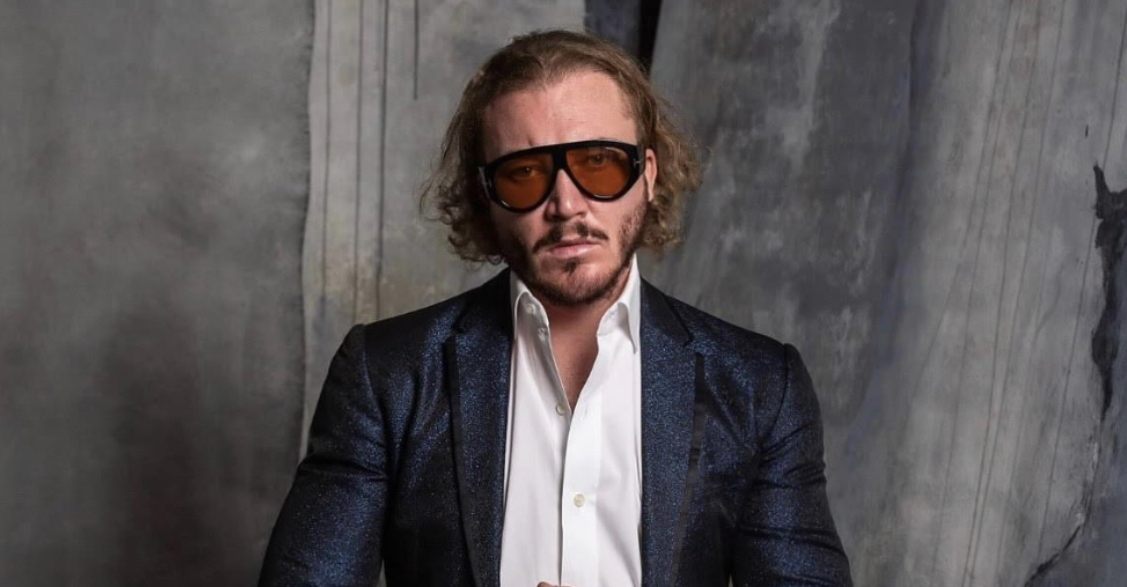
Ambiguity is often associated with unclear or murky understandings of something. A subjective interpretation based on one’s own belief or life experience. But Adam Moryto prefers to think of it in terms of personal relativity. What some would consider a curse, he feels like a blessing.
Over the course of his life, he’s lived what many would call separate lives, ranging from the jet-set, rum-swigging, island-hopping gambler in The Bahamas to someone who found inner peace within himself by getting clean and sober. “Some see the disease of addiction as a burden, but I see it as the greatest blessing in my life. It allowed me to find true freedom no one can ever take from me,” says Adam. Moreover, getting sober gave him a cocktail of humble confidence and fierce determination that granted him a work ethic and mental advantage not many others possess. The roles he has taken on reflect this, for he casts a large shadow over elements of drama, comedy, and a whole slew of other unique niches.
Since childhood, he was naturally attracted tobeing in someone else’s skin rather than his own. You can see this as he completely loses himself in character. However, he has a playful disposition to how he plays these, which stems from his earlier days of traveling and drinking with friends to create characters with crazy backstories. “I remember I got my first fake ID when I was fifteen. I was Hunter Hamman from South Dakota. I said my dad was the CEO of Abercrombie and Fitch. I studied economics at Yale and had this idea about how to solve the world’s freshwater crisis.
The next night I was Cornelius Vanderbilt with a European accent. Where to a Russian oil baron, I was trying to buy a Formula 1 team. Anything but being myself was more fun,” Adam tells us. With that said, it was evident that this particular career had been calling out to him for quite a while.
The idea that no two performances are ever the same, even if by the same actor, is that uniqueness that Adam Moryto incorporates into his acting philosophy. Organic and original, these things have allowed Adam to understand the motivations behind his characters.
On a personal level, his understanding of motivation has led to the inner peace he now experiences after years of trying to find what makes him happy. He states, “Many people today care about what others think of them. It’s disgusting. They wonder if you have a better job, do you make more money, do you have a better partner, and it’s a constant comparison.
But nobody ever asks if you’re enjoying life the way you want. Too many people want to look good for others but can’t stand when someone holds up the mirror. That’s because they’re miserable since they lived the life everyone else wanted them to live. They didn’t live for themselves.” But Adam’s motivation comes from a more extensive understanding of human psychology. He tells us all human inspirationcomes from basically five fears: the fear that I am not worthy of being loved, the fear that I will die alone and forgotten, the fear that there is no order, reason, or purpose to the universe, the fear that those you love will die, and the fear that you wasted your life. He explains that human beings do things as intensely as they do, for if they don’t, one of those fears will materialize.—usually the one most personal to that particular person.
With such thought-provoking approaches, Adam draws from his deep well of emotional history to create moments for the screen that immerses theviewer completely. An “unforgettable emotional experience” is what Adam strives to develop in all his performances. We can’t wait to see his future career blossom and take form. Lookout for “The Baker,” “The Retirement Plan,” and “Littlemouth” later this year.