

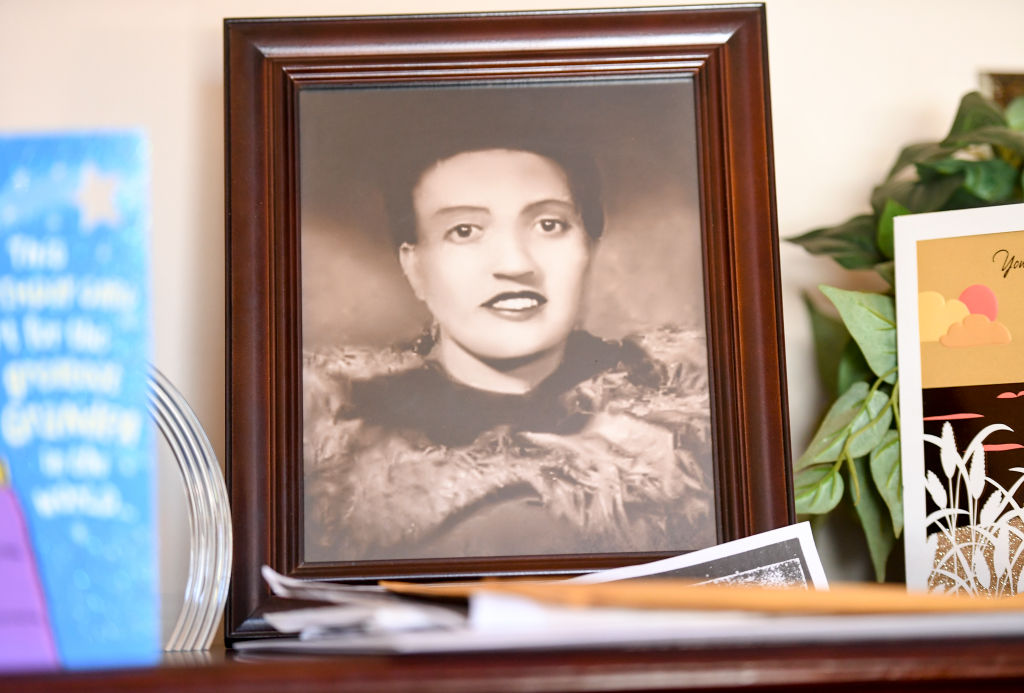
Pharmaceutical giant Novartis has reached a settlement with the estate of Henrietta Lacks, the woman whose cells were taken without her knowledge in 1951 and later became one of the most important tools in modern medicine.
According to the Associated Press, the case was finalized in federal court in Maryland. In a joint statement, the Lacks family and Novartis said they were “pleased with resolving this matter,” though they did not disclose the financial terms. This marks the second settlement secured by the Lacks estate in recent years. The family has argued that biomedical corporations profited from a racist medical system that exploited Black patients without consent.
The Story of Henrietta Lacks and the HeLa Cells
Henrietta Lacks was a 31-year-old Black woman who died of cervical cancer in 1951. During treatment at Johns Hopkins Hospital, doctors took cells from a tumor without informing her or her family.
Those cells did something scientists had never seen before. They continued to divide. They didn’t die. They became the first “immortal” human cell line. Researchers named them HeLa cells.
HeLa cells have since contributed to breakthroughs in cancer research, vaccines, gene mapping, in vitro fertilization, and even COVID-19 studies. They were instrumental in developing the polio vaccine. They have been sent to space. They have been cloned and distributed worldwide. Meanwhile, Henrietta Lacks was buried in an unmarked grave.
Her family did not learn about the widespread use of her cells until decades later. And they did not receive compensation while companies built profitable products and patents around biological material taken without consent.
The Legal Fight and Broader Accountability
The lawsuit against Novartis is part of a larger reckoning over medical ethics and racial injustice in research. The Lacks estate has accused companies of knowingly profiting from biological materials obtained through exploitation. While laws around informed consent have evolved since the 1950s, the financial benefits tied to HeLa cells have continued for decades.
In their joint statement announcing the settlement, both parties expressed satisfaction with resolving the dispute. However, neither side disclosed settlement terms.
This settlement follows another agreement reached previously with a separate biomedical company.
Although these cases do not rewrite history, they represent acknowledgment. And in some ways, acknowledgment is the first step toward accountability.