

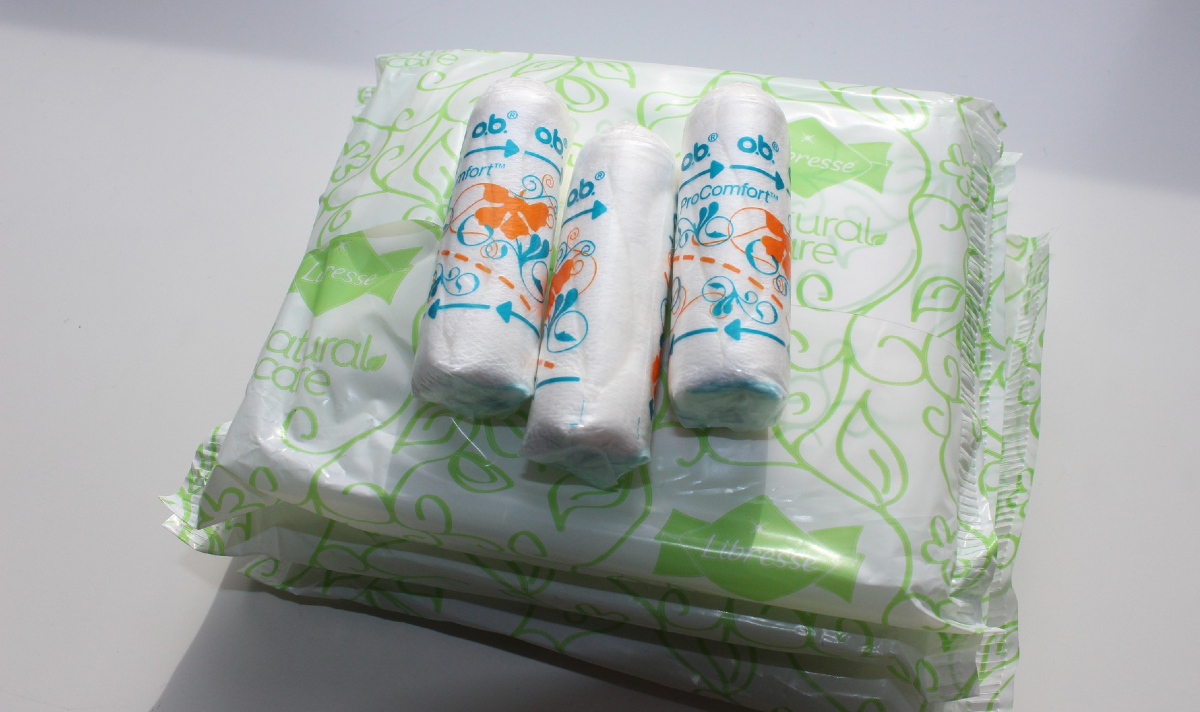
Tampons are now the latest item to be affected by a chain supply issue as stores such as Walgreens and CVS have notified customers that there is limited stock for the menstrual product in stores.
RELATED STORIES: President Biden Invokes Defense Production Act Amid Formula Shortage
The shortage was caused by numerous factors such as staffing issues, increased costs of key raw materials, and transportation bottlenecks as reported by NPR. In a statement, Walgreens, CVS, and Target said they are aware of the shortage and currently have a limited supply in stock. CVS specifically said their suppliers haven’t been able to fulfill any orders but the companies noted they will work with tampon makers to increase store inventory.
Walmart said they believe certain brands have been affected by the shortage but their website is updated with the latest store inventory.
RELATED STORIES: Abbott Baby Formula Plant Reopens After Approval From FDA
However, Procter and Gamble say they are increasing production of Tampax products and their team is producing tampons “24/7” in order to meet the demands of stores.
A TAMPON SHORTAGE??? Do y’all just hate women??? I’m about to give birth soon and there’s no formula AND no tampons??? WHAT AM I SUPPOSED TO DO??? 🙂🙂🙂🙂
— Zarida 🤍 (@oadiraz) June 10, 2022
There’s a formula shortage. A tampon shortage. A child care worker shortage. A camp counselor shortage. A lifeguard and swim lessons shortage.
America to moms: Best of luck with all that!
— Audrey Goodson Kingo (@AudreyNGoodson) June 9, 2022
h
In addition to the shortage, tampons and other feminine care prices are increasing due to inflation supply chain issues, and other factors. Another price hike is expected in mid-July. I Support The Girls founder Dana Marlowe says women are using various objects such as duct tape, cardboard, and ripped-up sheets as a desperate measure due to the lack of tampons in stores.
According to TIME Magazine, tampons are labeled as a Class II medical device which means companies cannot hire just anyone to create the products due to quality control regulations. The materials needed, cotton, rayon and pulp or plastic needed for applicators hasve been in high demand because of the coronavirus pandemic. These same materials are used for various medical equipment such as personal protection equipment.
“Tampons are a staple product—a life necessity. If you look at the pricing strategy for the big players, they will consider more price increases for these necessity products,” said Professor Sheng Lu of the Fashion and Apparel Studies at the University of Delaware.
Ladies, if you don’t already have a reusable menstrual cup (like Diva), you might want to think about getting one.. I just heard about there being a tampon shortage too?!?! This is getting out of hand.
— ✨juliet✨ (@mamajulesm) June 9, 2022
Why does it feel like every single grocery store shortage rn is solely taking a toll on women? No formula. No tampons. These are necessary for women across the country. Why is no one helping? #women #tamponshortage
— Jessica☻ (@jsteepy1999) June 9, 2022
So far, there isn’t any further information on when the shortage will end.