

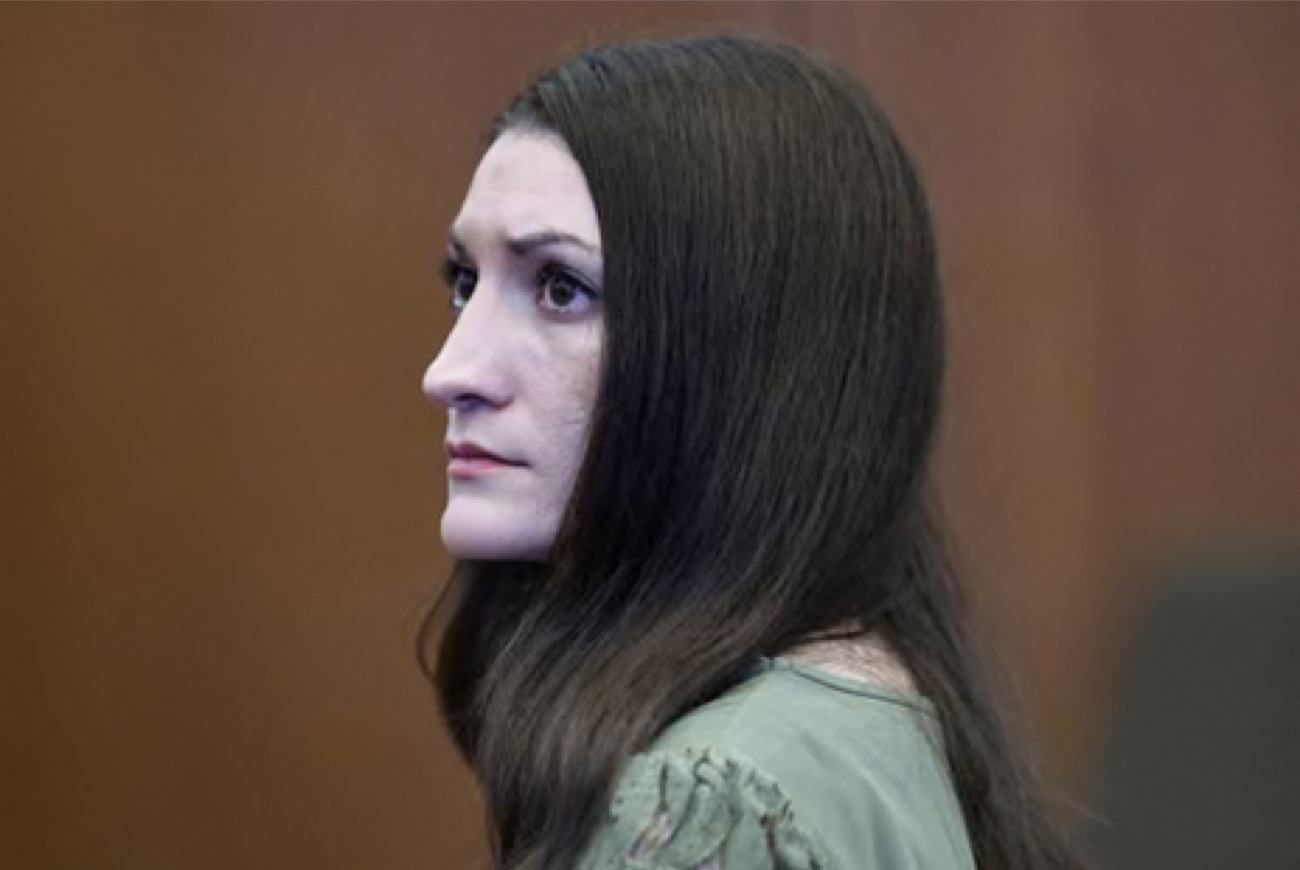
The judge has scheduled a November 16 hearing to discuss a timeline for a retrial in Lindsay Clancy’s viral case, which he has previously indicated could take place as early as March.
During Clancy’s initial trial, there was no dispute that she strangled her three children — 5-year-old Cora, 3-year-old Dawson and 8-month-old Callan — with exercise bands on January 24, 2023, in the basement of their family home in Duxbury, Massachusetts, a suburb of Boston.
Following the killings, Clancy cut herself with a knife before jumping from a second-story window in an apparent suicide attempt. She survived but was left paralyzed.
RELATED: Lindsay Clancy Holdout Juror Says Her Defense Attorney Put A Target On His Back
Her defense attorneys have maintained that Clancy was experiencing postpartum psychosis at the time of the killings and should be found not guilty by reason of insanity, a legal defense known in Massachusetts as lack of criminal responsibility. Several jurors later spoke about the case in televised interviews, revealing that they had been prepared to find Clancy not guilty by reason of insanity, but were unable to reach a unanimous verdict because of one holdout juror.
Such a finding would have resulted in Clancy being committed to a state psychiatric hospital, where her placement would have been subject to regular court review.
In Massachusetts, a first-degree murder conviction carries a mandatory sentence of life in prison without the possibility of parole.
Clancy’s attorneys argued that putting her on trial again would violate her constitutional protection against double jeopardy, which prohibits someone from being tried twice for the same crime. They contended that Sullivan declared a mistrial prematurely and should have considered other possible solutions before ending the proceedings.
RELATED: Judge Denies Lindsay Clancy’s Motion For Not Guilty Verdict
Pointing to jury notes indicating that the holdout juror was not applying the legal standard for reasonable doubt despite the judge’s instructions, the defense argued that Sullivan should have questioned the juror and potentially removed them instead of declaring a mistrial.