

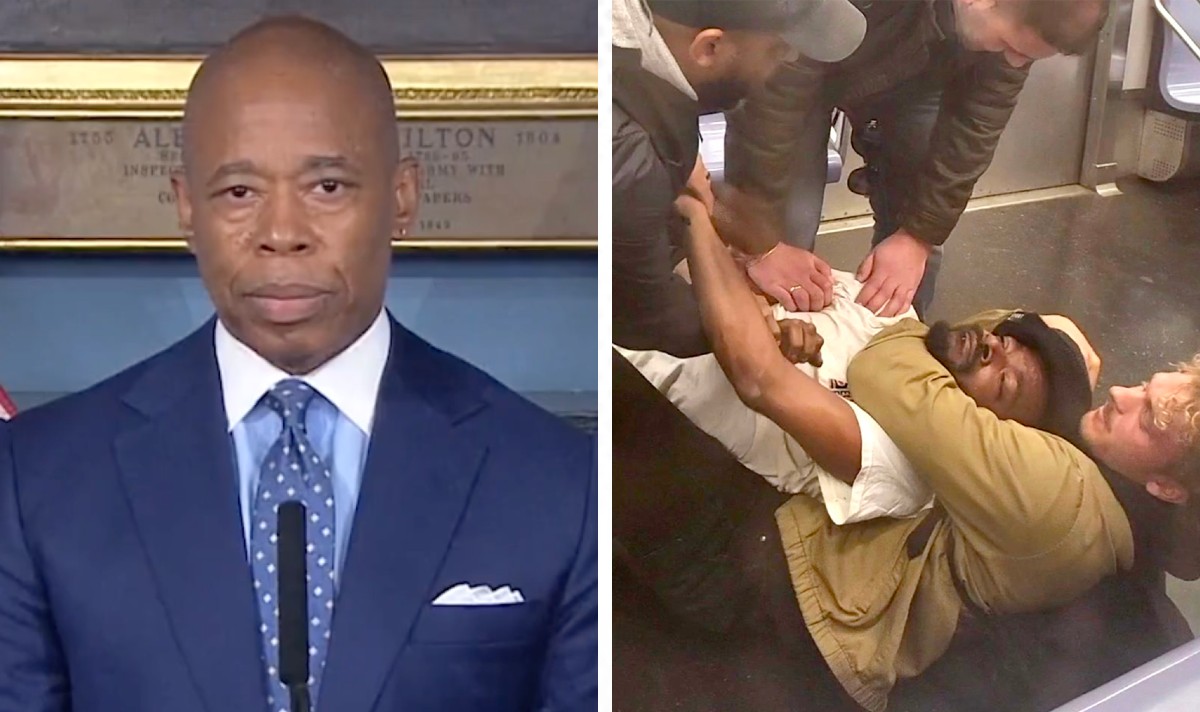
The tragic death of Jordan Neely, a street performer who was unsheltered and struggling with mental illness, prompted New York City Mayor Eric Adams to call for more support for individuals facing mental health challenges. In response to the incident, the Mayor highlighted the need for systems to better support people who are struggling with mental health problems, homelessness, and other critical needs. Although a homicide investigation is underway, Mayor Adams emphasized the importance of addressing gaps in New York state mental hygiene law and called on state lawmakers to pass the Supportive Interventions Act.
During a press conference on Wednesday to address the death of Neely, Mayor Adams recognized the efforts of those who tried to help Jordan and made a plea for the city to do more for those living with serious mental illness. He acknowledged that changes and reforms to the way the city addresses mental illness are necessary to provide appropriate mental healthcare to those in need. The Mayor further outlined efforts already in place, such as the Coordinated Behavior Health Task Force, but emphasized that a continuous level of care is necessary to prevent and minimize the impacts of mental illness.
Adams also touched on having previously authorized city agencies to hospitalize those who appear in need and are unable to meet their own “basic needs.” During the conference, he said he’d push the plan forward as part of a bill named the Supportive Interventions Act and called for his “partners in Albany” to pass the legislation. “This bill addresses a series of flaws and gaps in the New York State Mental Hygiene Law that are making it more difficult to help those who don’t know they need help,”
“One thing we can say for sure, Jordan Neely did not deserve to die,” he added. “And all of us must work together to do more for our brothers and sisters struggling with serious mental illness.”
Adams continued, “I want to state up front that there were many people who tried to help Jordan get the support he needed, but the tragic reality of severe mental illness is that some who suffer from it are at times unaware of their own need for care.
“And all too often, they’re caught up in this cycle of violence, sometimes as perpetrators or, far more often, as victims.”
The death of Neely on a New York City subway train has sparked widespread protests and calls for justice. Neely, a 30-year-old homeless artist, died after allegedly being put in a chokehold by Daniel Penny, a 24-year-old Marine Corps veteran who claimed to be acting in self-defense.
The medical examiner’s office ruled Neely’s death as a homicide, and the Manhattan DA’s office is considering convening a grand jury to consider criminal charges against Penny. Multiple protests have taken place, with the latest one causing train traffic to come to a halt. However, some protestors have faced criminal trespassing charges for jumping onto the subway tracks and disrupting service.
The case has led to a debate over whether Penny’s actions were justified in self-defense or vigilantism. Tensions are escalating, with calls for Penny’s arrest and demonstrations being carried on earlier this week.
Adams has urged patience as investigations continue, but advocates have criticized the incident as highlighting the inadequacies of policies toward the city’s vulnerable populations.
Neely was remembered for his talents and his struggles, having performed a Michael Jackson impersonation of “Thriller” on the subway. His death has brought attention to the issues faced by many homeless individuals in New York City and the need for better policies to support them.
The incident also raises questions about the use of force and self-defense in public spaces. As the case continues to unfold, it remains to be seen what actions will be taken and what impact it will have on future policies and practices.