

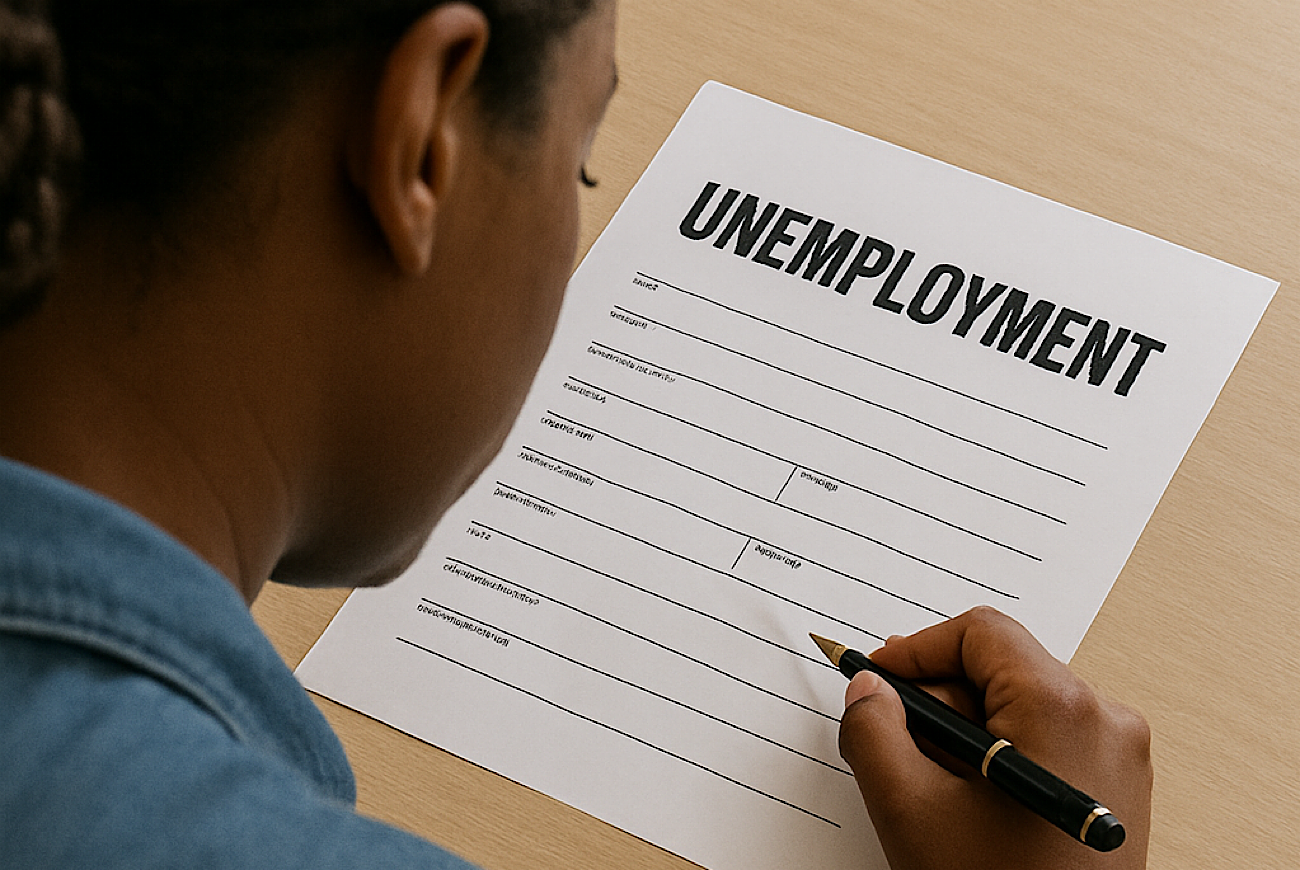
For the first time since the COVID-19 pandemic in 2021, unemployed workers officially outnumber the jobs available in the U.S., according to The Bureau of Labor Statistics’ latest JOLTS survey. The gap between open positions and people actively looking for work has widened. On top of that, the national unemployment rate for Black Americans has now jumped to its highest level since 2021.
On Wednesday (September 3), the Labor Department confirmed that the number of unemployed Americans outnumber available jobs. The number of open positions in the U.S. fell to about 7.2 million, down from 7.4 million in June. Economic forecasters expected the report to come in at around 7.3 million to 7.5 million, but the reality landed below those estimates.
Currently, there are 7.24 million unemployed Americans and 7.18 million open positions. That flip is major, especially since it’s the first time in years that workers seeking jobs are outpacing the opportunities out there.
Additionally, private sector openings decreased for the second month in a row. The rate fell to 6.4 million in July from 6.5 million in June and 6.9 million in May. In healthcare and social assistance, job openings decreased by 181,000. In arts and entertainment, by 62,000. In mining and logging, by 13,000.
Elsewhere, new hires increased slightly to 5.3 million. Meanwhile, the number of Americans quitting their jobs remained the same at 3.2 million. The rate of quitters held steady at 2.0.
RELATED: Joe Biden Demands Americans On Unemployment Accept Jobs Offered Or Lose Benefits [May 2021]
Black Unemployment Rate Reaches Highest Since 2021
In addition to overall unemployed workers outpacing jobs available, data shows that the national unemployment rate for Black Americans, specifically, is now sitting at 7.2%, according to the Wall Street Journal. For reference, the overall U.S. unemployment rate is just 4.2%. That gap tells a story by itself. Black unemployment has risen at the fastest pace in years and it’s hitting hard across the board.
Even Black college graduates are struggling, with unemployment nearly doubling in just a few months. The painful part? Education isn’t offering the protection it should. Many would agree with that reality even without the numbers laid out.
This isn’t just about stats on paper — it’s about real families, communities, and lives. When Black unemployment rises at this rate, the ripple effects stretch far and wide. From bills to rent, to health care and education, every piece of stability gets tested. That’s why these numbers aren’t just percentages; they’re reflections of systemic issues that continue to weigh heavy.
As many already know, Black Americans have always faced unique struggles in the job market. The latest numbers show that even in 2025, the weight is still being carried. The big question now is whether these trends will shift.
Analysts say job growth could bounce back in certain industries, but the immediate outlook doesn’t guarantee relief. With inflation pressures still real and job openings falling short, the path forward looks rocky. For Black Americans in particular, the climb is steep, and the numbers prove it.
RELATED: Study Reveals Millennials Would Rather Be Unemployed Than Unhappy [April 2022]
#Socialites, be sure to check out the post below, then leave us your thoughts in a comment after!