

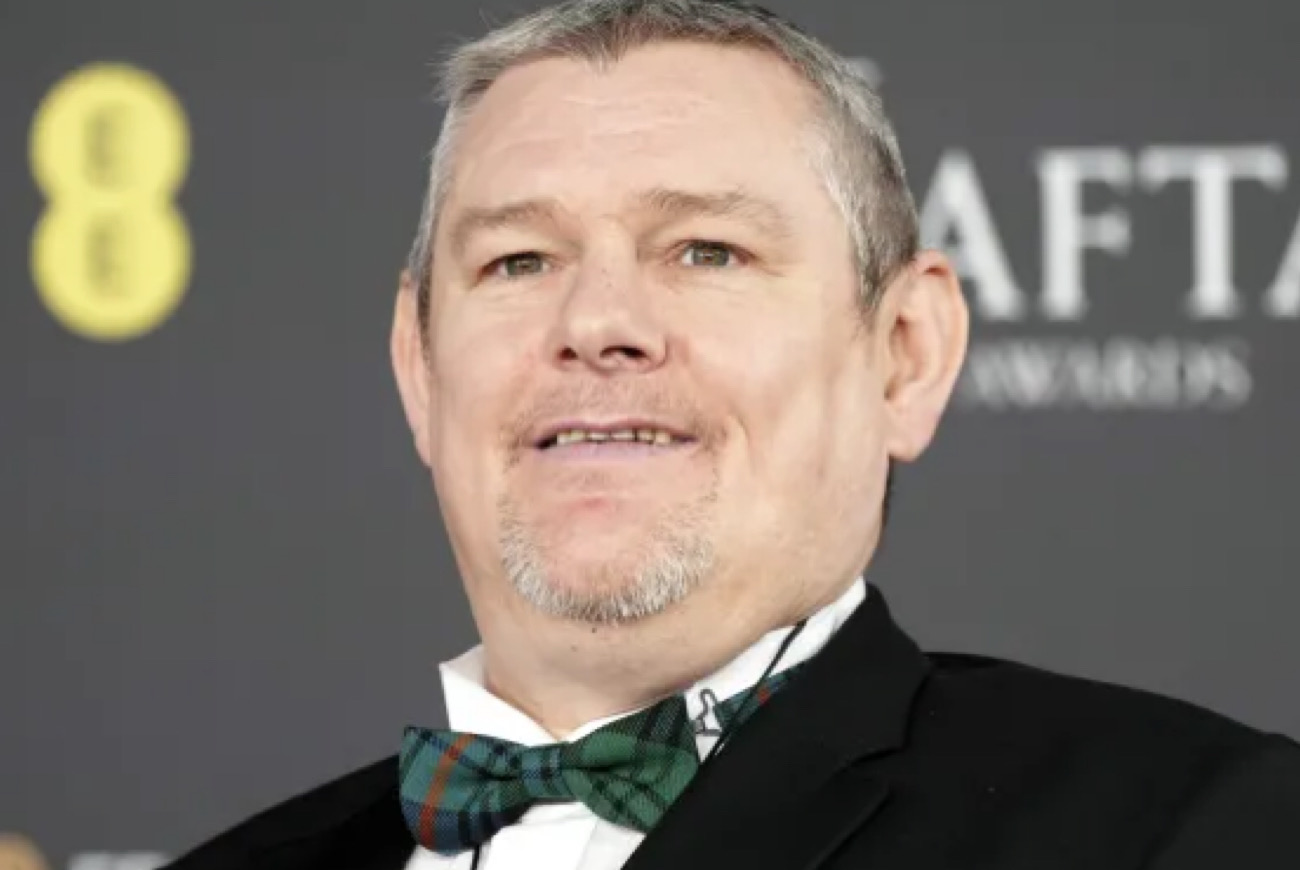
Tourette’s activist John Davidson is speaking out after shouting the N-Word at the BAFTA Film Awards and addresses the controversy that followed his outbursts during the ceremony.
Davidson, who has publicly spoken about living with Tourette Syndrome, made several audible outbursts during the first half of the ceremony. According to reports, he shouted “shut the f**k up” during opening remarks delivered by BAFTA chair Sara Putt. Later in the evening, while actors Michael B. Jordan and Delroy Lindo were on stage presenting the best visual effects award to “Avatar: Fire and Ash,” Davidson was heard shouting the N-word.
The moment drew immediate attention inside the venue and among viewers watching the broadcast.
The ceremony was attended by high-profile guests, including William, Prince of Wales and Catherine, Princess of Wales, adding further visibility to the moment. As clips circulated on social media, conversations around Tourette Syndrome and public understanding of involuntary tics intensified.
John Davidson Addresses BAFTA Film Awards Incident
Following the ceremony, John Davidson released a formal statement responding to the backlash and clarifying the circumstances surrounding his outbursts. “I wanted to thank BAFTA and everyone involved in the awards last night for their support and understanding and inviting me to attend the broadcast,” Davidson said in a statement.
“I appreciated the announcement to the auditorium in advance of the recording, warning everyone that my tics are involuntary and are not a reflection of my personal beliefs. I was heartened by the round of applause that followed this announcement and felt welcomed and understood in an environment that would normally be impossible for me.”
During the ceremony, host Alan Cumming addressed the situation twice. He paused the proceedings to thank the audience for their understanding. Later, he also apologized “if you are offended tonight.” The broadcast aired on the BBC, which, along with BAFTA, had made prior announcements explaining Davidson’s condition.
Davidson continued his statement by emphasizing that his vocalizations were not intentional. “In addition to the announcement by Alan Cumming, the BBC and BAFTA, I can only add that I am, and always have been deeply mortified if anyone considers my involuntary tics to be intentional or to carry any meaning.”
He also referenced the documentary “I Swear,” stating that it “more than any film or TV documentary, explains the origins, condition, traits and manifestations of Tourette Syndrome.” Davidson concluded: “I have spent my life trying to support and empower the Tourette’s community and to teach empathy, kindness and understanding from others and I will continue to do so. I chose to leave the auditorium early into the ceremony as I was aware of the distress my tics were causing.”
Understanding Tourette Syndrome and Public Reactions
Tourette Syndrome is a neurological disorder characterized by repetitive, involuntary movements and vocalizations known as tics. These tics can include sudden words or phrases. In some cases, individuals may experience coprolalia, which involves involuntary utterance of socially inappropriate or offensive words. However, medical experts note that coprolalia affects a minority of people diagnosed with Tourette Syndrome.
In this case, event organizers attempted to prepare attendees by issuing a prior warning about Davidson’s condition. Even so, the live nature of the broadcast amplified the reaction. Social media users shared clips almost immediately, and debates followed about intent versus medical condition.