

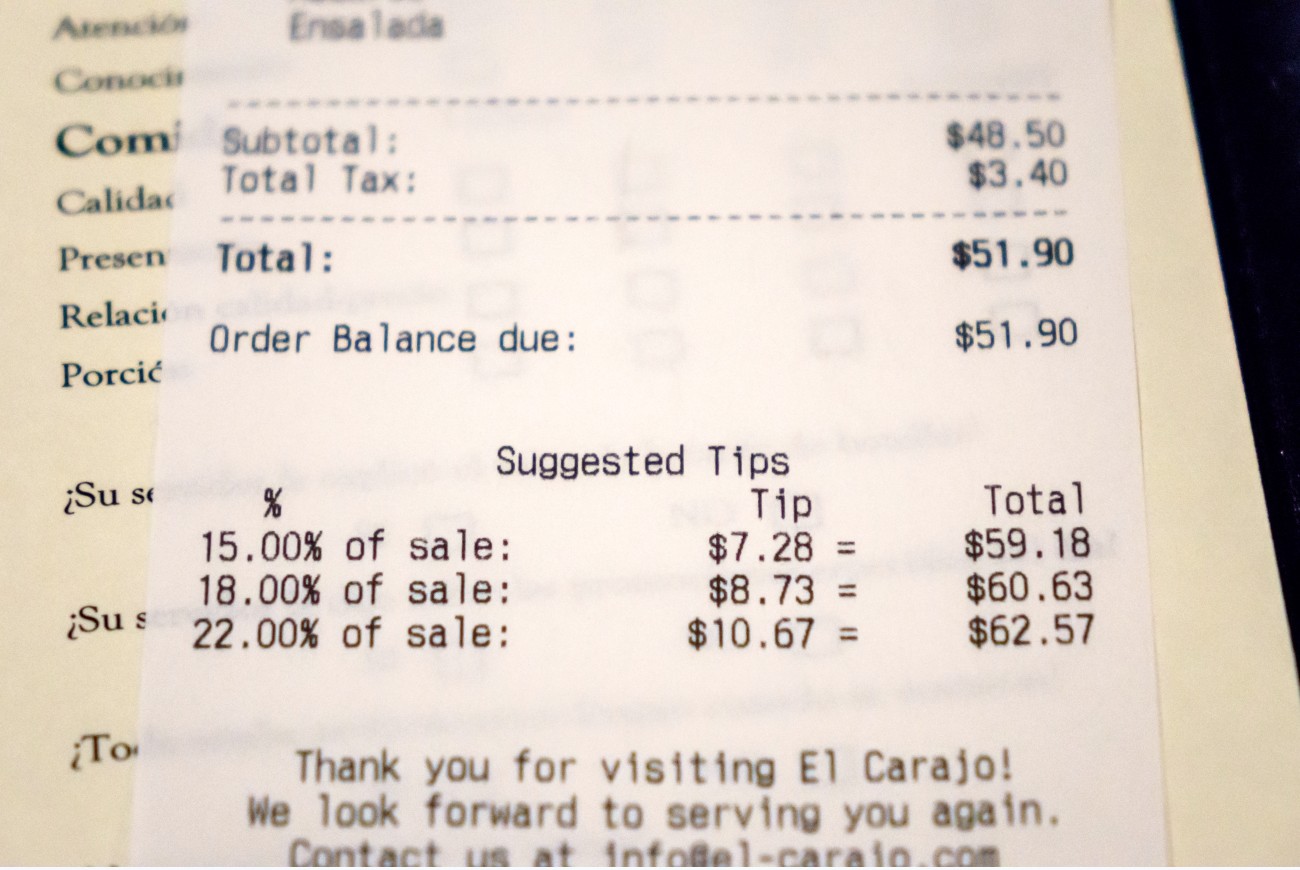
According to a recent survey conducted by Bankrate.com, it seems that people are growing tired of the tipping culture that has become so ingrained in our society. The survey revealed that tipping has been steadily declining over the past several years, indicating a shift in attitudes towards this practice. This decline in tipping is not only significant from an economic standpoint but also has implications for those who work in service industries, such as waitresses.
Interestingly, the study also found a correlation between the decline in tipping and a decrease in reported levels of sexual harassment by waitresses. This suggests that the power dynamics inherent in the act of tipping may contribute to an environment where harassment is more likely to occur. As people become more aware of these issues and seek to rectify them, it is no wonder that tipping is losing favor.
RELATE: A Utah School District Has Banned The Bible From Multiple School Bookshelves For Its ‘Vulgarity And Violence’
But what could be causing this change in attitude towards tipping? One possible explanation is the increasing awareness of wage disparities and income inequality in our society. With many service industry workers relying heavily on tips to make a living, the realization that they are essentially at the mercy of customers’ generosity may be leading to a growing dissatisfaction with the system. And as people become more conscious of these issues, they may be less inclined to participate in a practice that perpetuates these inequalities.
Additionally, the decline in tipping could also be attributed to changing cultural norms and societal expectations. As our society becomes more globalized and influenced by other cultures, it is natural that our attitudes towards tipping may shift. In some countries, tipping is not customary or is included in the price of goods and services. As Americans travel abroad or interact with individuals from different cultural backgrounds, they may adopt these alternative perspectives and question the necessity of tipping.
Furthermore, technology may also be playing a role in this changing attitude toward tipping. With the rise of cashless payment methods and digital wallets, the act of physically handing over cash as a tip is becoming less common. This shift towards a more digitized economy may be contributing to a decline in tipping, as individuals may simply forget or find it inconvenient to leave a tip when paying electronically.
Overall, it is clear that there is a growing weariness among Americans when it comes to tipping. This shift in attitude can be attributed to various factors, including awareness of wage disparities, changing cultural norms, and the influence of technology. As our society continues to evolve, it will be interesting to see how this trend progresses and whether tipping will eventually become a thing of the past.