

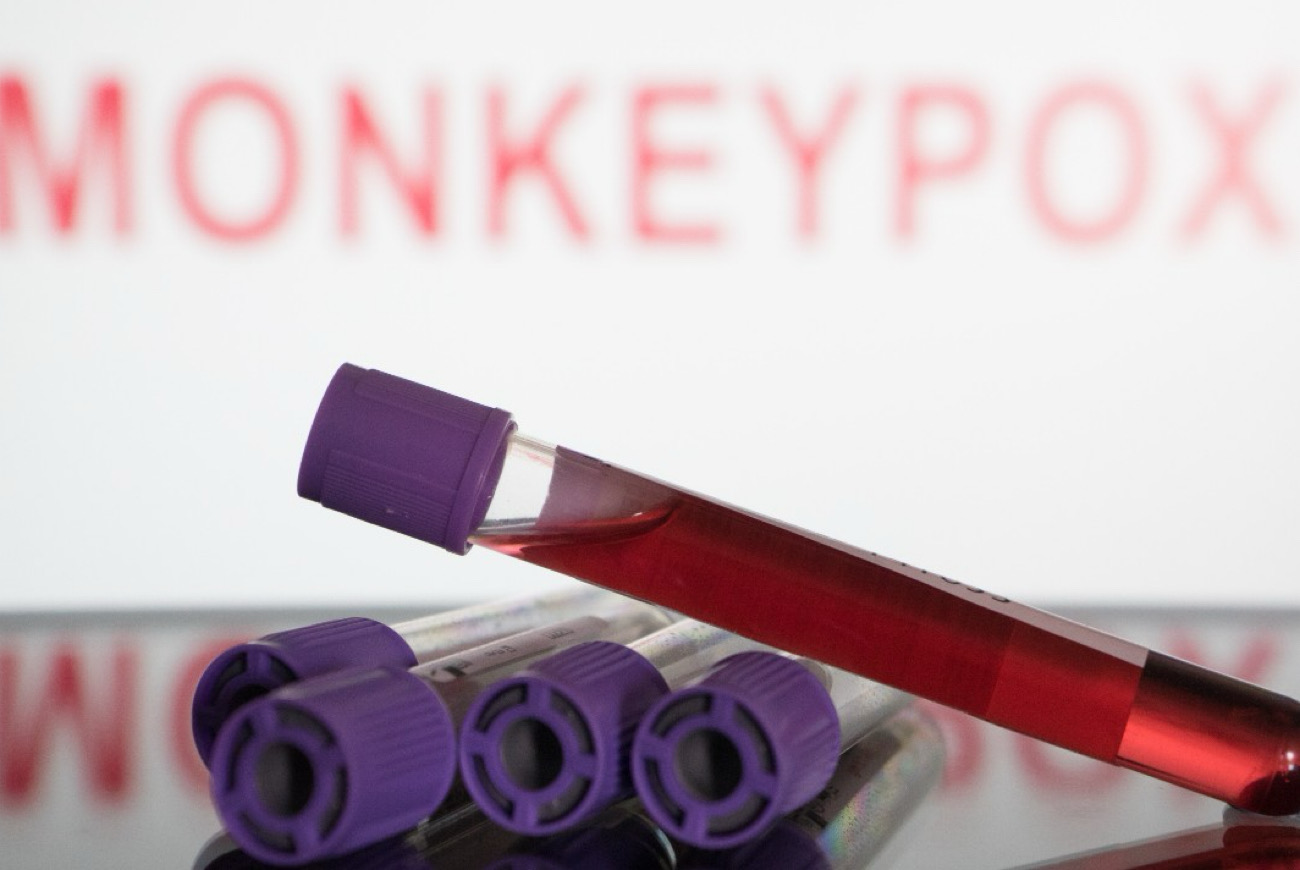
The World Health Organization (WHO) announced on Wednesday that the current mpox outbreak in Africa has been classified as a global health emergency.
This decision came after the WHO’s emergency committee met to discuss rising concerns about a more dangerous variant of the virus, known as clade Ib, which has now spread to four provinces in Africa that were previously unaffected. This particular strain had been limited to the Democratic Republic of Congo until now.
On Wednesday, independent experts from the committee held a virtual meeting to provide guidance to WHO Director-General Tedros Adhanom Ghebreyesus regarding the seriousness of the outbreak. Following this consultation, he declared a public health emergency of international concern, which represents the highest level of alert according to international health regulations.
Known as a Public Health Emergency of International Concern (PHEIC), this designation is assigned by the WHO to “extraordinary events” that present a public health threat to other nations due to the potential for disease spread across borders. Such situations may necessitate a coordinated international response, according to the organization.
The Africa Centres for Disease Control and Prevention (Africa CDC) declared the outbreak a public health emergency of continental security just a day earlier, marking the agency’s first declaration of this kind since it was established in 2017.
Since the start of this year, over 17,000 cases and more than 500 deaths have been reported across 13 African countries, with the Africa CDC categorizing the outbreak as a “very high risk event.” The Democratic Republic of Congo has reported the highest number of cases, exceeding 14,000, and accounted for 96% of confirmed cases this month.
RELATED: German Man Reportedly Has A Rotting Nose After Testing Positive For Monkeypox, Syphilis, And HIV
Mpox, previously referred to as monkeypox, is a viral illness that can be easily transmitted between individuals and from infected animals. It spreads through close contact, including touch, kissing, and sexual activity, as well as through contaminated items like bedding, clothing, and needles, according to the WHO. Symptoms include fever, a painful rash, headaches, muscle and back pain, fatigue, and swollen lymph nodes.