

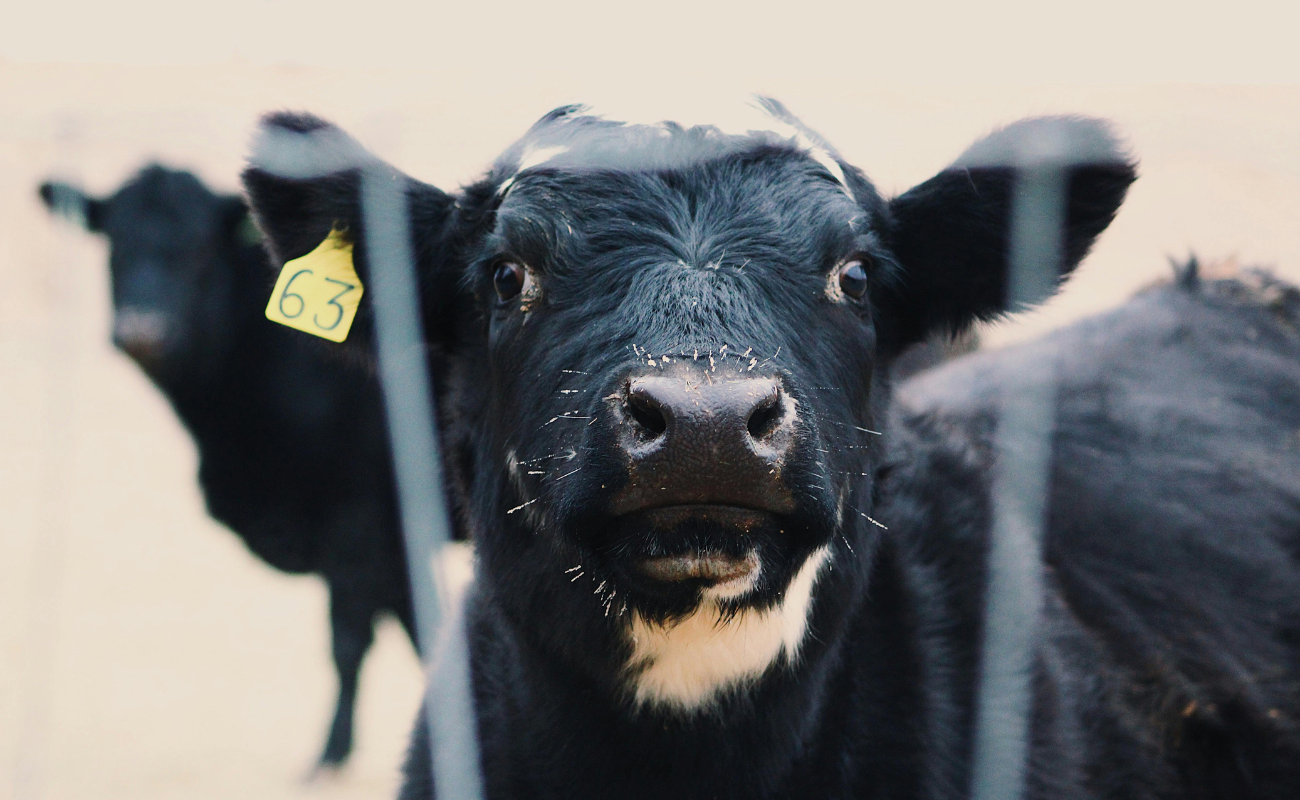
Health officials announced Monday that an individual has been diagnosed with bird flu. This case is notable for being the first recorded instance globally where a person has contracted this strain of bird flu through contact with a mammal, specifically dairy cows suspected to be infected with the virus. The patient is currently undergoing treatment with antiviral medication, with eye redness being the sole symptom reported.
RELATED STORIES: Poultry On Lockdown As Bird Flu Spreads Across Europe and Asia
The Centers for Disease Control and Prevention have addressed public concerns, clarifying that there is no evidence suggesting the virus can spread from person to person, nor is there any risk associated with consuming milk or meat from the infected livestock. Dr. Nirav Shah, the CDC’s principal deputy director, emphasized that genetic testing has not indicated any changes in the virus’s transmissibility or severity. He also confirmed that current antiviral treatments remain effective against this strain. In a report by the Associated Press, this case follows reports last week of bird flu detected in dairy herds across Texas, Kansas, and Michigan, the latter of which had recently acquired cows from Texas. Despite the widespread infection among the cattle, no deaths have been reported in the affected herds.
Bird flu, which has been a known threat to humans since a 1997 outbreak in Hong Kong, has claimed over 460 lives in the past two decades, primarily through direct contact with birds. According to Dr. Ali Khan, a former CDC outbreak investigator and current dean at the University of Nebraska’s public health college, the virus’s recent detection in U.S. livestock represents a concerning development. Since 2020, the virus has been observed on various animal species in multiple countries, including domestic pets and wildlife.
RELATED STORIES: Dozens Of American Birds To Be Renamed Due To “Offensive” Name Origins
The CDC has not revealed the identity or details of the person who tested positive for the infection in Texas. Testing is not recommended for individuals who don’t show any symptoms. After the cow infections, approximately a dozen individuals showed symptoms and were tested in Texas, but only one case turned out to be positive.
“People should avoid unprotected (not using respiratory or eye protection) exposures to sick or dead animals including wild birds, poultry, other domesticated birds, and other wild or domesticated animals, as well as with animal feces, litter, or materials contaminated by birds or other animals with suspected or confirmed HPAI A(H5N1) virus infection. People should not prepare or eat uncooked or undercooked food or related uncooked food products, such as unpasteurized (raw) milk, or raw cheeses, from animals with suspected or confirmed HPAI A(H5N1) virus infection (avian influenza or bird flu)“.
This is only the second time that the Type A H5N1 virus has been found in a person in the United States. The previous case happened in 2022 when a prison inmate who was involved in a bird culling operation at a poultry farm in Colorado contracted the virus. The inmate experienced only mild symptoms and recovered fully. This recent case highlights the importance of being vigilant and prepared to respond to potential health risks posed by zoonotic diseases.