

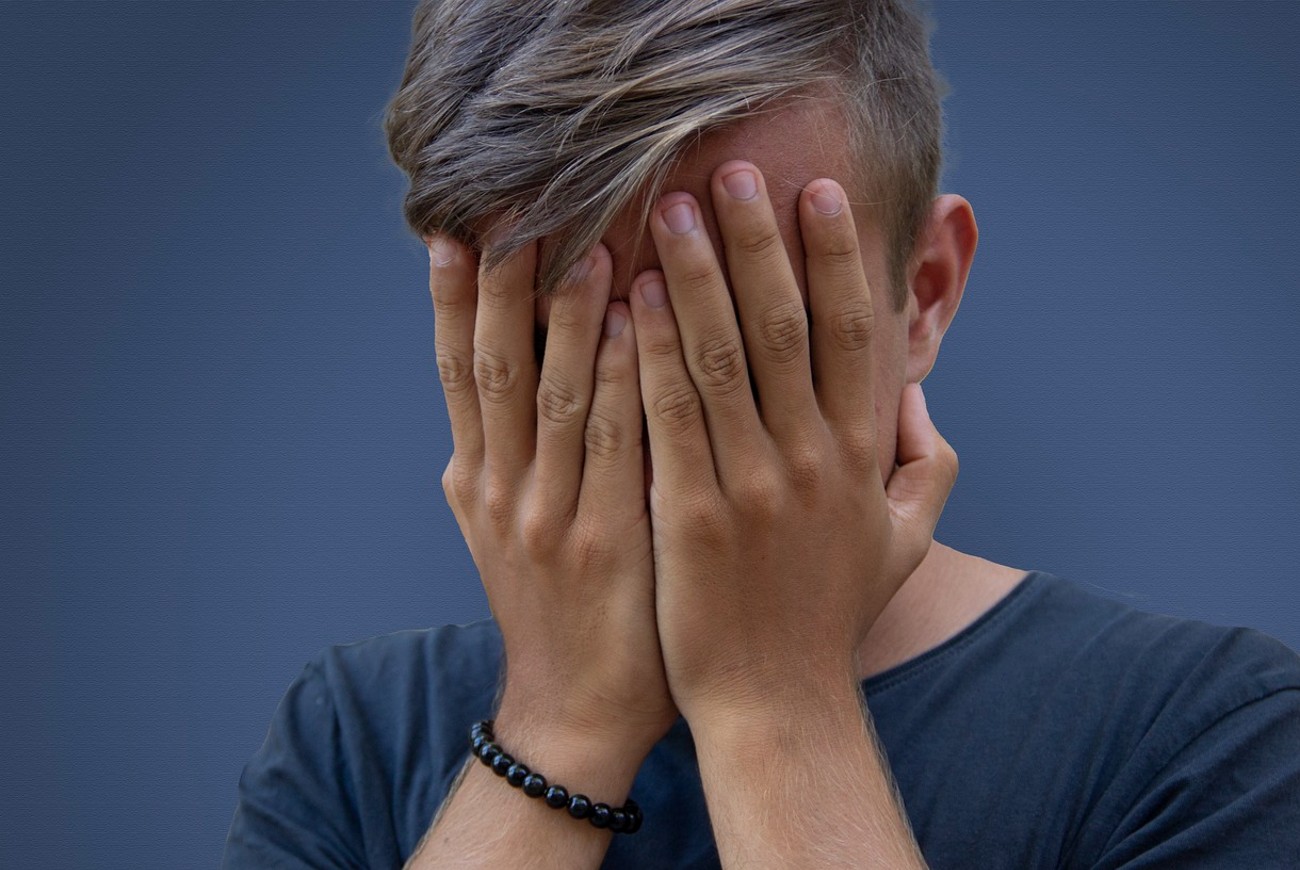
The impact of social media on teenage mental health is becoming increasingly concerning. According to recent studies, the number of teens who report not enjoying life has doubled in recent years, and social media is seen as a primary culprit.
The rise of platforms like Instagram and Snapchat has coincided with a significant increase in teen depression and feelings of hopelessness. It’s estimated that nearly half of all teenagers now agree with phrases such as “I can’t do anything right” and “My life is not useful.”
RELATED: Man Claims He Cured His Depression By Taking A Daily Ice Bath
This alarming trend is directly linked to the amount of time teens spend on screens, with some spending up to nine hours a day scrolling through social media feeds. As a result, they are missing out on real-world experiences such as driving, dating, and working. Surgeon General Vivek Murthy has specifically highlighted the influence of comparison on platforms like Instagram, particularly among girls. The COVID-19 pandemic has only exacerbated these mental health issues among Gen Z, who also face political polarization and social unrest, leading to a sense of pessimism about the future.
Tragically, the consequences of this increase in teen depression include a significant rise in youth self-harm and suicide, making it the second-leading cause of death among young Americans. To address this alarming trend, experts like Dr. Jean Twenge suggest delaying smartphone and social media use and potentially raising the minimum age for social media accounts.
The negative impact of social media on teenage mental health cannot be overstated. The pressure to present a perfect life online, coupled with the constant comparison to others, is taking a toll on young people’s well-being.
The rise in depression and feelings of hopelessness among teenagers is directly linked to the rise of social media. Teens are spending countless hours scrolling through curated feeds, comparing themselves to their peers, and feeling inadequate as a result. This constant exposure to highlight reels often leads to feelings of low self-esteem and a distorted perception of reality.
The COVID-19 pandemic has only exacerbated these issues, as social media becomes a primary source of connection and validation for many young people who are isolated from their friends and support networks. Additionally, the political polarization and social unrest that Gen Z is experiencing further contribute to their sense of pessimism about the future. It’s a perfect storm of negative influences that is driving teens to feel like they don’t enjoy life.
The consequences of this alarming trend are dire. Youth self-harm and suicide rates have skyrocketed, making it the second-leading cause of death among young Americans. The mental health crisis among teenagers cannot be ignored any longer. Urgent action is needed to address the root causes of this increase in depression and hopelessness. Dr. Jean Twenge suggests that delaying smartphone and social media use could be a potential solution.
By limiting the amount of time teens spend on screens and encouraging them to engage in real-world activities, we can help them develop healthier habits and foster meaningful connections offline. Additionally, there is a growing call to raise the minimum age for social media accounts, recognizing that young people may not yet have the emotional maturity to navigate these platforms safely. It’s crucial that we prioritize the mental well-being of our young people and provide them with the support and resources they need to thrive in today’s digital world.
Image via Pixabay