

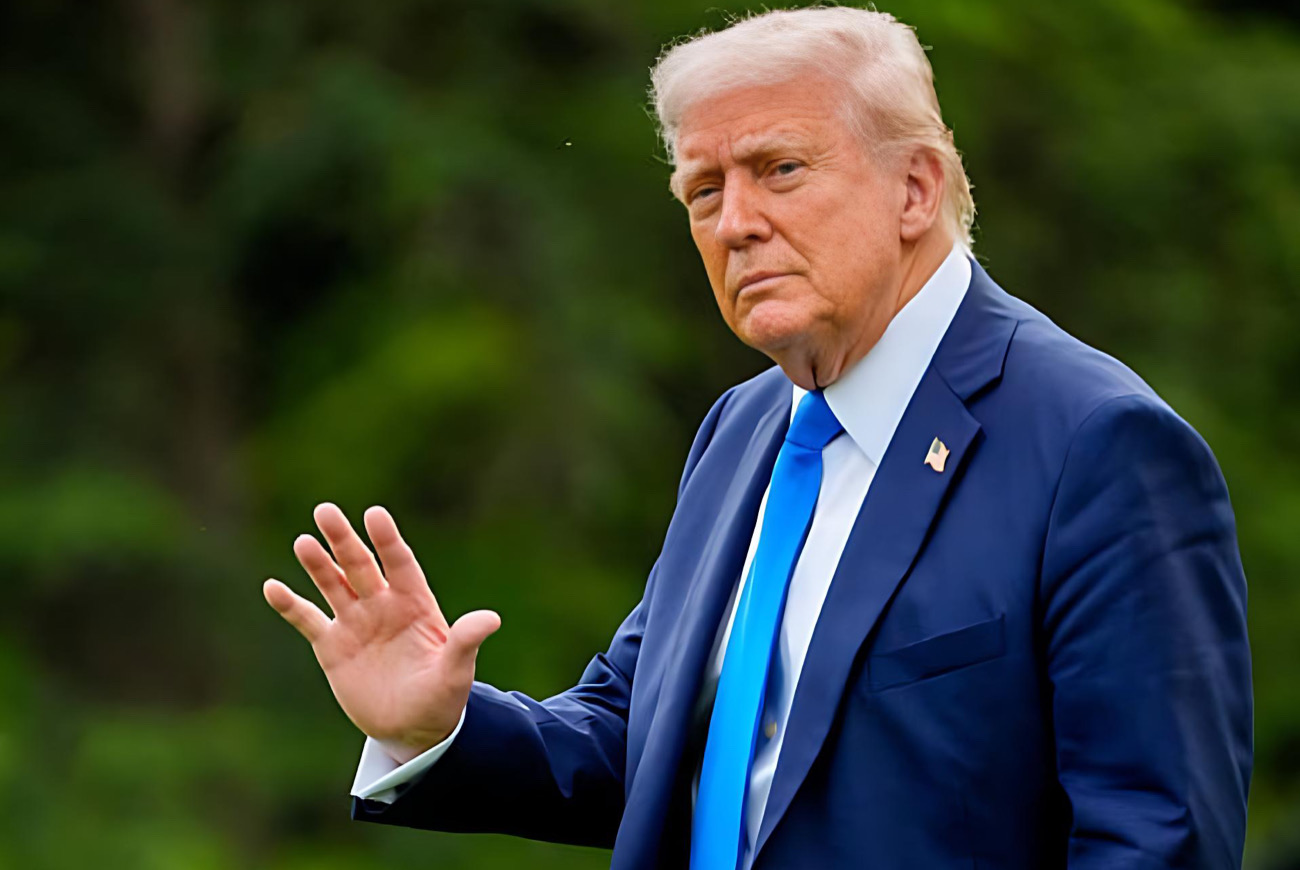
The Supreme Court Clears the Way for Transgender Military Ban
On Tuesday, the Supreme Court handed down a major decision that gives the Trump administration the green light to go ahead with enforcing a controversial ban on transgender troops serving openly in the military. This ruling came after the Justice Department filed an emergency application last month asking for a nationwide injunction—originally issued by a Seattle-area federal judge—to be lifted.
Donald Trump Signs Executive Order Banning Transgender Athletes From Participating In Women’s Sports
“Supreme Court Allows Trump Administration to Proceed with Transgender Military Ban”]
This policy, first pushed forward by Defense Secretary Pete Hegseth and tied to an executive order from Trump just days into his second term, stirred major backlash. It signaled a shift in military policy that directly targets transgender individuals currently serving or hoping to enlist.
The ruling doesn’t officially end the legal fight—it just pauses the injunction while the U.S. Court of Appeals for the 9th Circuit reviews the case. In the meantime, the Trump administration can start enforcing the ban. Of the nine justices on the high court, three liberal members openly dissented, signaling strong resistance to the decision.
What the Trump Administration Is Saying
Trump’s camp continues to stand behind the idea that transgender service members don’t meet the “rigorous standards” necessary for military service. According to them, including transgender individuals compromises unit cohesion and military readiness.
That same rhetoric has been used before—time and time again—to keep out folks who weren’t seen as “fit” enough to serve, whether they were Black, women, or openly gay. It’s a narrative rooted in discrimination and outdated views.
But not everybody’s buying it. A 2016 RAND Corporation study, which the Pentagon itself commissioned, found no evidence that allowing transgender service members affected unit cohesion or readiness. In fact, the study showed that the costs of gender transition-related care were minimal and had zero impact on operational effectiveness.
Advocates Fire Back at the Court’s Decision
LGBTQ+ advocacy groups were quick to clap back. Lambda Legal and the Human Rights Campaign Foundation—who are representing the trans service members challenging the ban—released a fiery joint statement.
They called the Court’s ruling “a devastating blow” to the thousands of transgender troops who have proven they belong in the ranks. “By allowing this discriminatory ban to take effect while our challenge continues, the Court has temporarily sanctioned a policy that has nothing to do with military readiness and everything to do with prejudice,” the statement read.
Let’s be real—this decision hits hard for a community already facing uphill battles in healthcare, housing, and now, even in serving their country.
What This Means for Trans Troops Right Now
Right now, the military is allowed to bar openly transgender individuals from enlisting or continuing to serve unless they do so under their “biological sex.” Translation: Trans folks who aren’t already in the military may be blocked from joining, and those currently serving face uncertain futures.
The case is still making its way through the courts, and this latest move doesn’t mean it’s over—it just means the ban can move forward while the legal fight plays out.
Still, this policy throws a major wrench into what was once slow but steady progress for LGBTQ+ rights within the military. It also sends a chilling message to other marginalized groups about how easily their contributions can be dismissed.
The Bigger Picture: Civil Rights at a Crossroads
This move by the Supreme Court is a reminder that civil rights gains can always be rolled back. It also puts into perspective how deep-rooted the fight against inclusion still is, especially under certain political administrations. The Court’s choice to let this policy take effect, even temporarily, tells us that the battle for equality.