

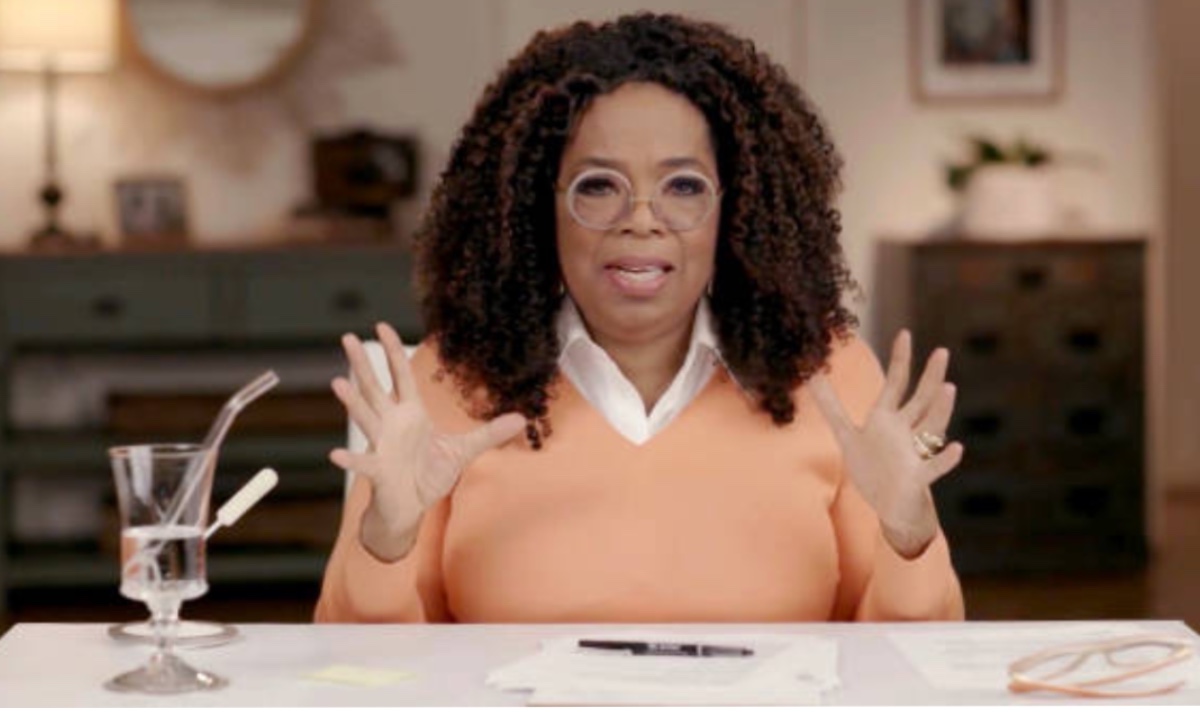
Oprah Winfrey is opening up about how the Covid-19 pandemic effected her. The television icon also expressed how much it taught her about healthcare inequality in America.
“I didn’t leave home for 322 days — literally did not leave the house,” Oprah Winfrey, 68, expressed to The Los Angeles Times while promoting her new documentary The Color of Care, which concentrates on racial inequities in the healthcare system, in an interview released on Friday.
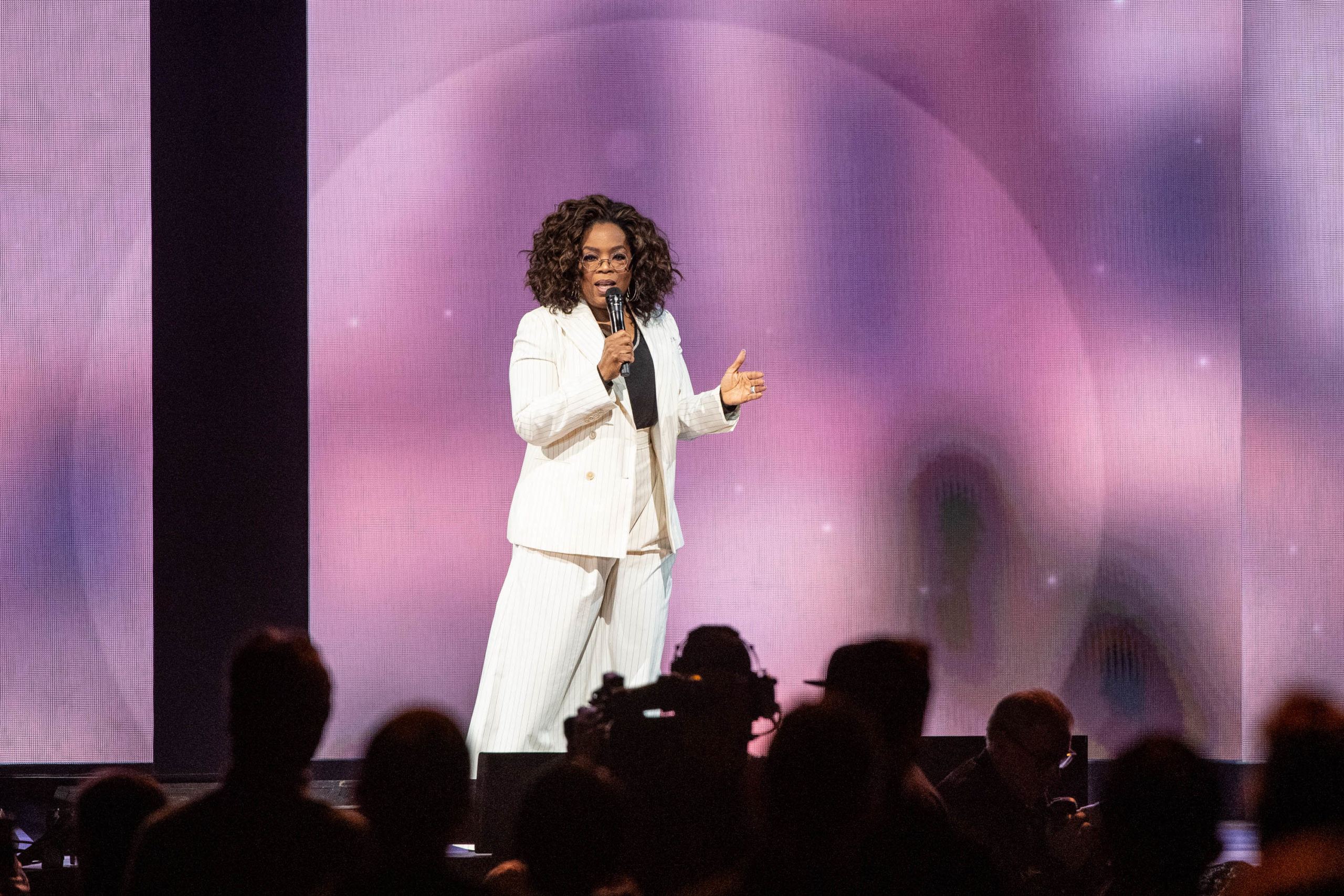
Winfrey said that she’s was “so careful with” herself that her “own friends make fun of” her, Winfrey pointed out that what surprised her the most about living through the pandemic “is how well I was able to adjust to the isolation and not being around other people.”
“I remember one point [close friend Gayle King] said, ‘Don’t you just miss being around other people?’ I go, ‘Eh, not really.’ And I think it’s because every day, I was in an audience of 350 people twice a day [on The Oprah Winfrey Show], so I’ve had shaking hands and autographs and selfies, and lots of attention, and exposure to being around a lot of people,” she continued.
“I was able to be with myself in a way that I haven’t been able to for years, because usually, even if I take time off for myself, I’m thinking about what is the next thing to come,” she added.

“Overall, I was able to adjust because I have the ability [and] really strong sense of being in this present moment and living this moment without having to worry about the next.”
“You can do that when you don’t have to worry about where your next paycheck is coming from. I didn’t have to worry about, ‘Am I going to have rent? Am I going to be able to get food? Am I going to be able to keep the lights on and am I going to be able to take care of my children?’ “ she said.
Those emotions, along with a story she read about COVID-19 victim Gary Fowler, are what urged Winfrey to seek to make The Color of Care, which identifies how the pandemic brought to the fore the disservices present in the healthcare system when it comes to patients’ racial profile and where they live.
Winfrey said she was “appalled” and “stunned” reading articles about people of color who were having trouble getting care for COVID-19 resulting in death.
RELATED:Oprah Winfrey Breaks Down In Tears As She Recalls Being Raped At Age 9: ‘I Kept That Secret’
Of the larger toll from the pandemic, she continued, “I don’t recognize a country where you’ve lost nearly a million people and there hasn’t been some form of remembering that is significant. Not at the opening of a speech or mentioning in a State of the Union. I mean that there hasn’t been a communal gathering where there is acknowledgment that this has happened to us. Who are we that there is no acknowledgment, profoundly, in our society that we have lost our loved ones? And at times, we’re not even able to bury our dead. Who are we that we don’t recognize the significance of that acknowledgment?”
“I think my biggest misconception [before making the film] was that it was about health insurance, that it was about having access financially, and if you didn’t have the money, then you couldn’t get the care that you needed,” Winfrey told the LA Times. “What COVID laid bare is that inequities in so many other areas of your life also contribute to the major disparity when it comes to healthcare.”