

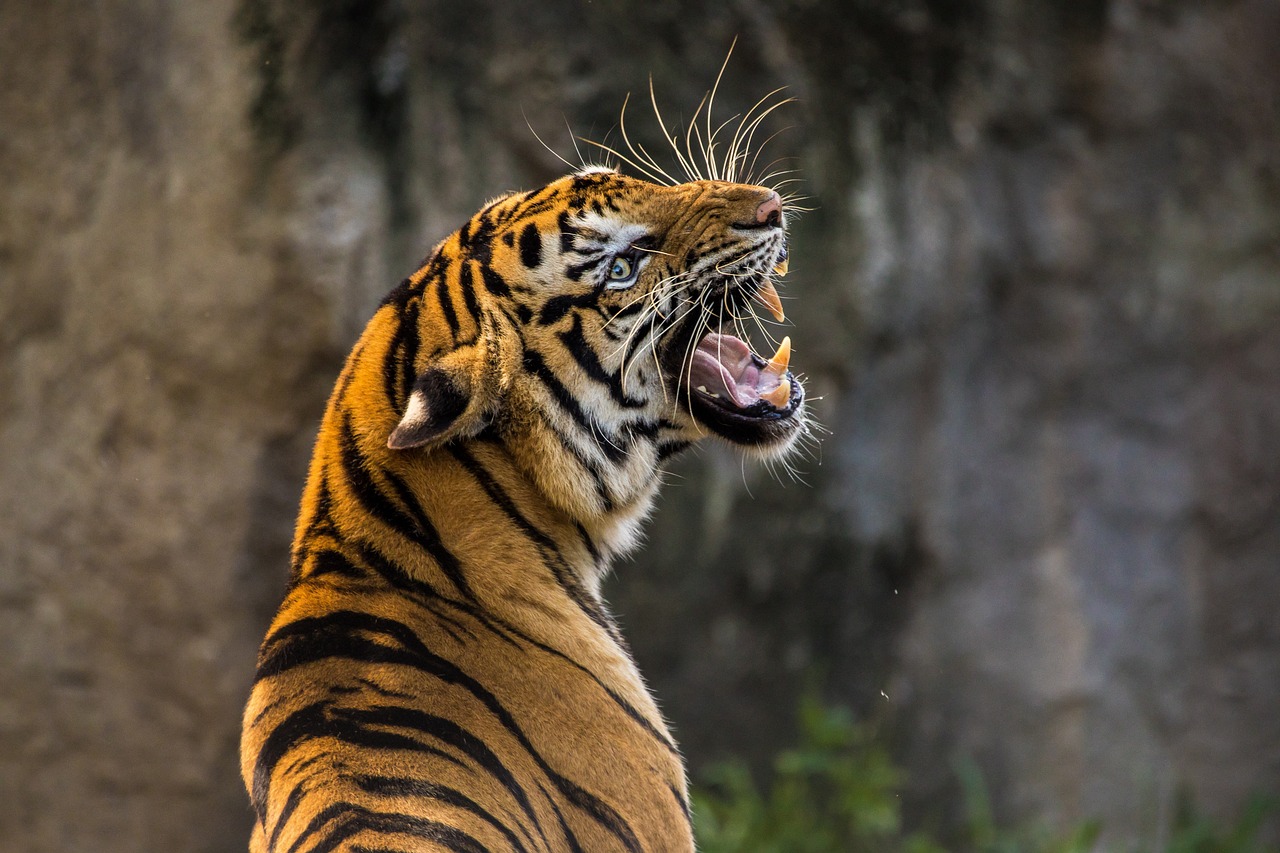
A man kept tigers as emotional support animals at his Nevada home until authorities stepped in. Karl Mitchell, 71, was arrested this week after seven tigers were seized during a law enforcement raid at his property in Nye County.
According to NBC News, Mitchell claimed the tigers were his “emotional support animals”, and he believed that exempted him from the required special conditions animal permit. However, Sheriff Joe McGill said otherwise, adding that Mitchell has a long history of walking the tigers freely in public and allowing people to interact with them through his social media.
RELATED STORIES: Colorado Woman Arrested for Planting Explosives at Tesla Dealership
Inside the Raid: Man Arrested After Refusing to Hand Over Tigers
The early morning raid took place Wednesday after growing concerns over public safety and animal welfare. Mitchell was arrested on suspicion of resisting arrest when deputies entered his property. Though he escorted officers around the land, he refused to hand over the keys to the cages that held the tigers.
That refusal prevented on-site veterinarians and wildlife refuge staff from immediately assessing and retrieving the animals. The seized tigers appeared underweight and will be transported to a sanctuary at an undisclosed location where they can receive medical attention and proper care.
While Mitchell insisted that his relationship with the animals was therapeutic, authorities made it clear that emotional support claims don’t override legal restrictions when it comes to exotic animals.
Do Emotional Support Animal Laws Apply to Tigers? Not in Nevada
Mitchell argued that he didn’t need a permit because the tigers served as his emotional support animals, a designation more commonly given to dogs or cats. But experts say exotic pets—especially dangerous wildlife like tigers—don’t qualify for the same protections under U.S. federal or state law.
In Nevada, individuals who want to own wild or exotic animals must apply for special permits, which include safety inspections, liability insurance, and routine welfare checks.
The situation is more troubling because social media footage reportedly shows people posing with the tigers, raising questions about public safety, unauthorized animal handling, and monetization through platforms like TikTok or Instagram.
Authorities are still reviewing Mitchell’s history and may file additional charges, especially if evidence shows animal neglect or endangerment.