

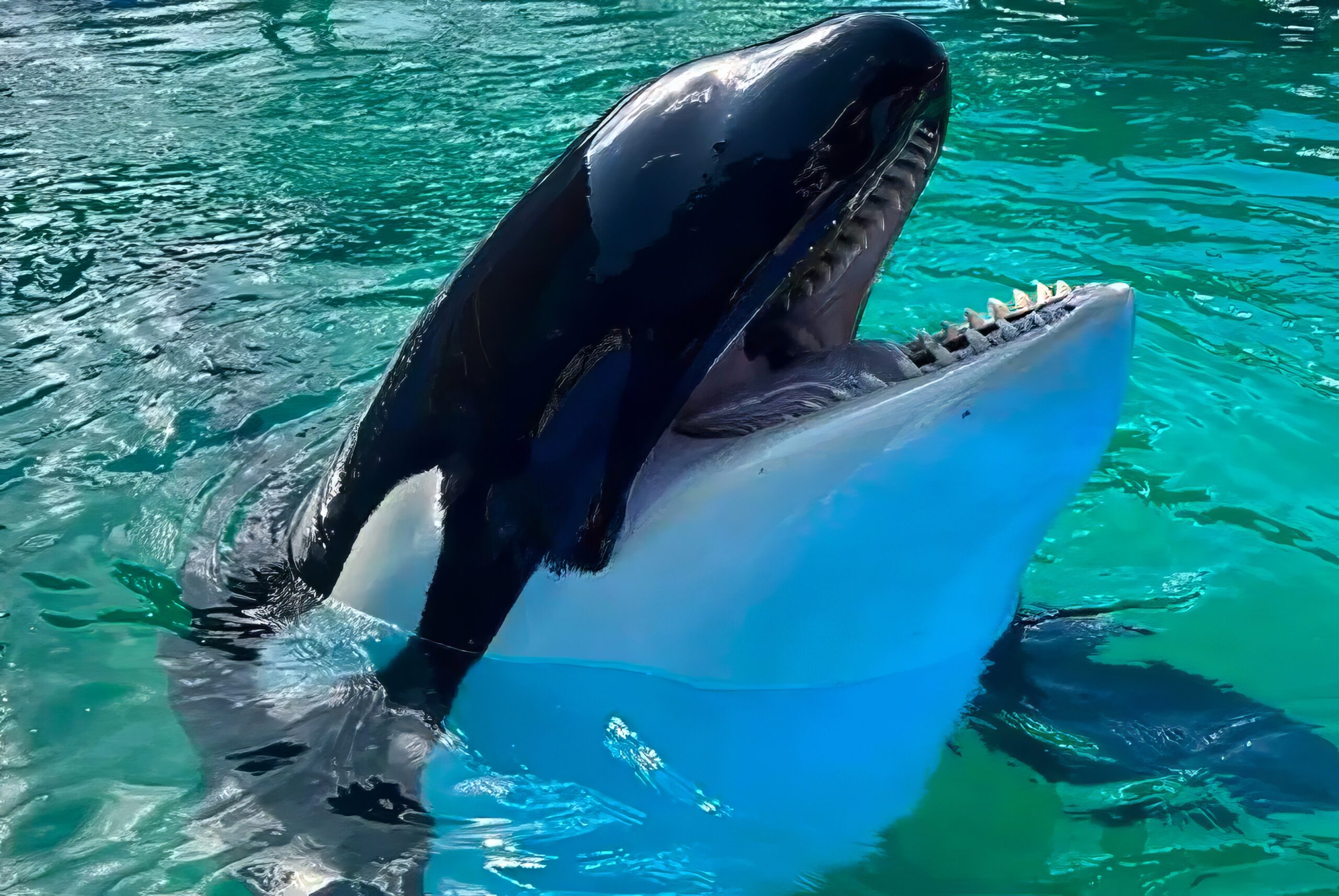
Lolita, the beloved Miami Seaquarium orca, tragically passed away before she could be released back into the ocean. This news has devastated her fans and those who were eagerly awaiting her return to the wild. Lolita had been in captivity for over 50 years, captivating visitors with her majestic presence. She was supposed to be flown back to her pod’s native home in Washington as part of a $20 million plan, but unfortunately, her journey to freedom was cut short.
It is believed that she died from a kidney condition, which is not uncommon for captive orcas. Despite her difficult life, having been taken from her pod at a young age and losing her companion in 1980, Lolita remained an iconic figure at the Miami Seaquarium. At the time of her death, she was one of the oldest orcas in captivity.
RELATED: “Like a Phoenix”- How Mariya Solodar Persevered after Her World Fell Apart
The story of Lolita touched the hearts of many people, including philanthropist Jim Irsay, who was actively involved in the effort to release her back into the ocean. Lolita’s captivity sparked a larger conversation about the ethical implications of keeping these magnificent creatures confined for human entertainment. Many argued that she deserved to live out her remaining years in her natural habitat, surrounded by her pod and experiencing the freedom she had been deprived of for so long.
Lolita’s death serves as a reminder of the challenges faced by captive orcas and the importance of addressing their well-being. While efforts have been made to improve conditions for these animals in captivity, such as increased tank sizes and enrichment activities, there is still much work to be done. The controversy surrounding Lolita’s captivity has shed light on the larger issue of keeping orcas and other marine mammals in captivity for entertainment purposes.
The debate over releasing captive orcas back into the ocean is a complex one. While it is undoubtedly an opportunity for these animals to experience a more natural life, there are also concerns about their ability to survive in the wild after spending years in captivity. Orcas that have been held in tanks may have difficulty hunting, socializing, and adapting to their natural environment. It is essential that any plans for release take into account the individual needs and circumstances of each animal.
RELATED: Mindset Comes First: How Sasha Belair Became a Rising Star by Staying Focused
Lolita’s passing serves as a poignant reminder of the need for continued efforts to protect and conserve these magnificent creatures in their natural habitats. It is our responsibility to ensure that future generations have the opportunity to witness these incredible animals thriving in their ocean homes. While Lolita may not have been able to experience freedom in her lifetime, her memory will continue to inspire and drive change in our treatment of captive marine mammals.