

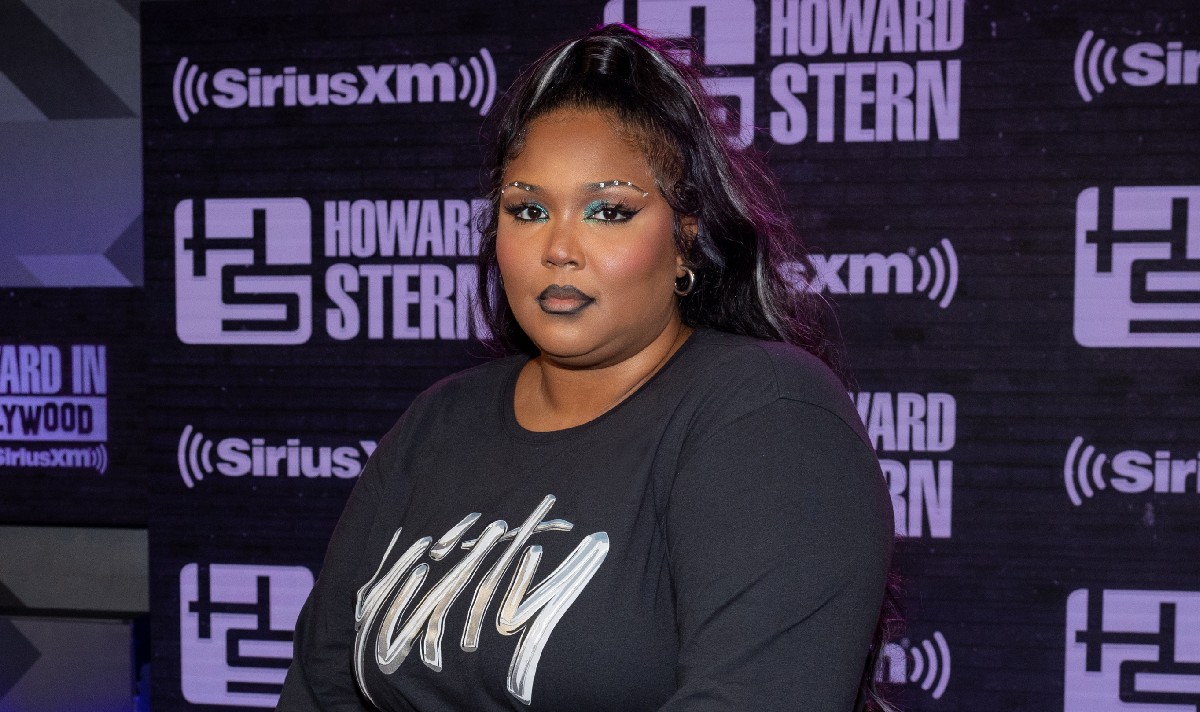
Lizzo sat down for a candid interview on the “Howard Stern Show” this week, discussing everything from her love life to being homeless and the sentimental memories she shares after working with Prince. During the lengthy sit-down chat, the “Truth Hurts” singer also shed light on the long-standing claims from critics who say her music only appeals to white people — a remark which Lizzo doesn’t take too kindly.
The 34-year-old had previously touched on the subject, saying that she writes songs “from my Black experience,” adding that she’s perplexed by the thought of people thinking her music is not written from a Black perspective. And now, Lizzo has reiterated her past comments, telling Howard how the conversation of whether her songs are solely aimed at white people have left her feeling challenged with her own identity.
“It really challenges, like, my identity and who I am, and diminishes that,” she expressed. “I’m making funky, soulful, feel-good music that is so similar to a lot of Black music that was made for Black people in the ‘70s and ‘80s. Then, on top of that, my message is literally for everybody in any body. I don’t try to gatekeep my message from people.” Lizzo added that she doesn’t think a lot of people truly understand her, which is what prompted her to agree to make a documentary about her life.
It was just in October when the “Rumors” hitmaker was met with a similar question about whether her music was targeted more at white people. But Lizzo denounced the critics, saying that when an artist reaches a certain level of fame and popularity, it is inevitable that they are bound to attract a wider audience — not just from Black listeners.
“She’s me in a different font.” @Lizzo comments on her friendship with @Adele and tells Howard if she'd ever collaborate with the fellow superstar.
Stream the full interview now on @siriusxm 👉 https://t.co/h1e0bbjyjA pic.twitter.com/ud5BeQvrHw
— Stern Show (@sternshow) December 12, 2022
“I am not making music for white people. I am a Black woman, I am making music from my Black experience, for me to heal myself [from] the experience we call life,” she told Vanity Fair. “Because we are the most marginalized and neglected people in this country. We need self-love and self-love anthems more than anybody.”
“So am I making music for that girl right there who looks like me, who grew up in a city where she was underappreciated and picked on and made to feel unbeautiful? Yes. It blows my mind when people say I’m not making music from a Black perspective–how could I not do that as a Black artist?”