

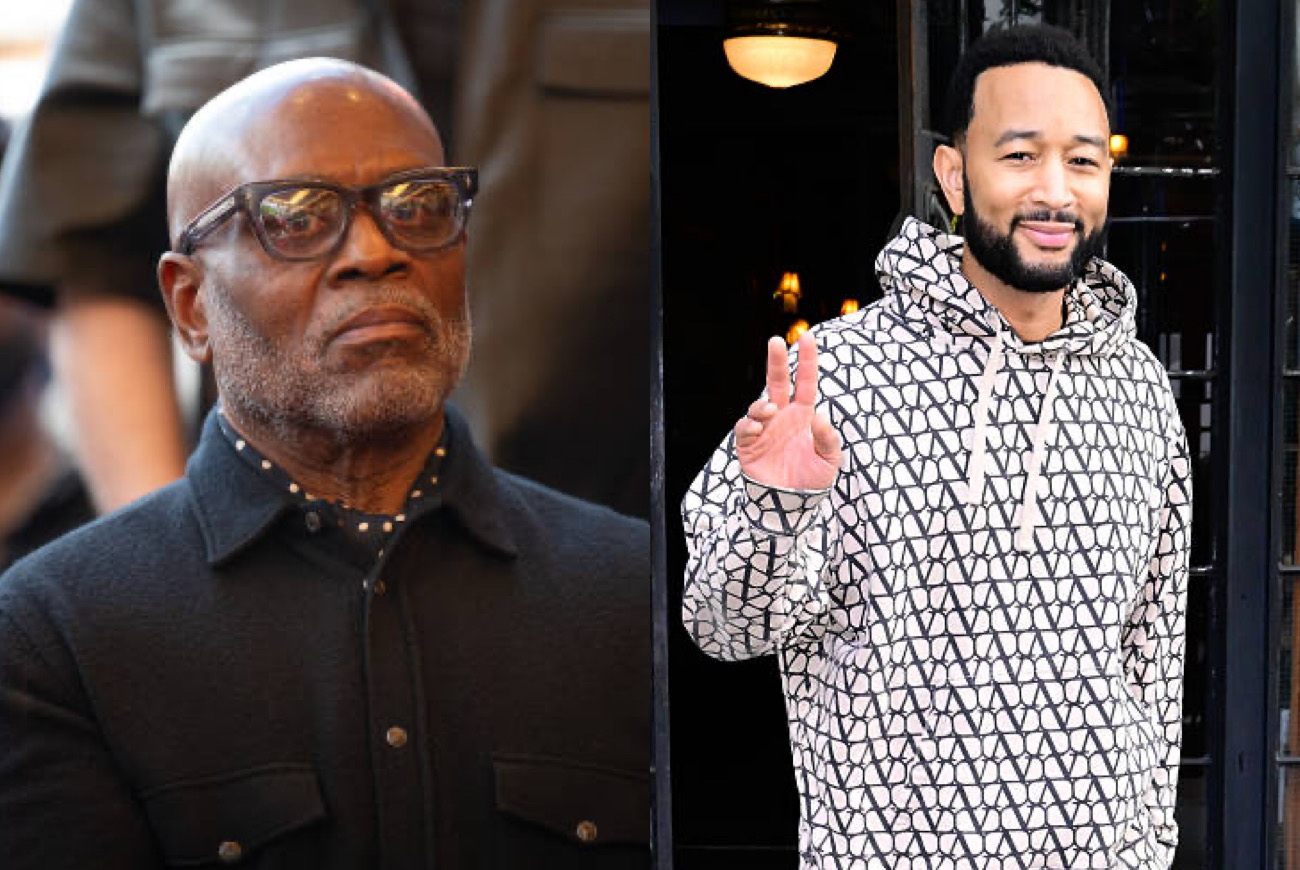
Music mogul L.A. Reid is set to face trial next week, marking a pivotal moment in a case that has lingered over the music industry for years. The lawsuit stems from allegations made by former record executive Drew Dixon, who claims Reid sexually assaulted her while they worked together at Arista Records in the early 2000s.
As first reported by Page Six, Grammy-winning artist John Legend is expected to testify during the proceedings. His involvement is tied to Dixon’s claim that Reid later retaliated against her professionally, including allegedly blocking Legend from being signed at the label.
This trial doesn’t just revisit old accusations. It reopens a larger conversation about power, silence, and accountability in an industry that has long protected its biggest names.
Inside the Allegations Against L.A. Reid
Drew Dixon alleges that Reid sexually assaulted her on two separate occasions in 2001 while she served as Vice President of A&R at Arista. At the time, Reid was president of the label and one of the most powerful executives in the business. According to Dixon, the assaults occurred behind closed doors during work-related interactions, moments she says left her stunned and fearful about her future in the industry.
Dixon has consistently maintained that after she rejected Reid’s advances, her career trajectory shifted dramatically. She claims opportunities dried up. Doors closed. Momentum stalled. For someone who had already worked with legendary artists like Whitney Houston and Santana, the sudden professional freeze raised serious questions.
One of the most notable allegations centers on John Legend. Dixon contends that Reid deliberately prevented Legend from being signed at Arista as a form of retaliation against her. Reid has denied these claims. Still, Legend’s anticipated testimony could offer critical insight into what was happening behind the scenes during that period.
John Legend’s Expected Testimony and Why It Matters
John Legend’s name carries weight, not just musically but culturally. His expected testimony adds a new layer to the case because it potentially corroborates Dixon’s claims of professional retaliation. If Legend confirms that his signing was stalled or blocked during that time, it could reinforce Dixon’s broader narrative about abuse of power.
Legend has not been accused of wrongdoing. His role is that of a witness, someone whose early career intersected with the alleged fallout Dixon says she experienced. For jurors, this connection could help contextualize how decisions made in executive offices ripple outward, affecting careers long after the moment passes.