

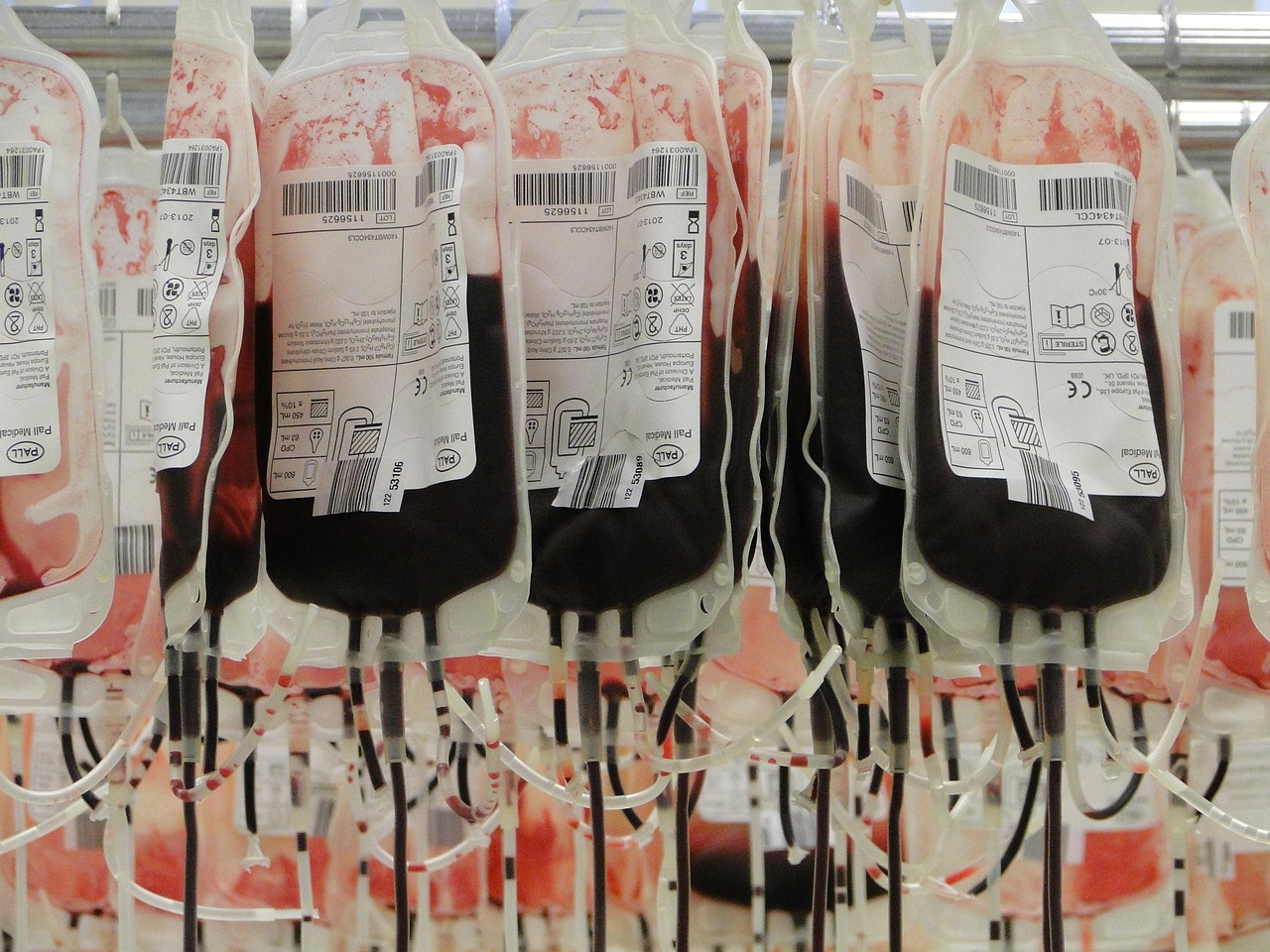
A group of Japanese scientists has just pulled off a major breakthrough—one that could shift how the world handles medical emergencies. Japanese scientists have created artificial blood that works for patients of any blood type. Even more impressive? It can be stored at room temperature for over a year.
According to The Brew News, the artificial blood is made using lab-grown red blood cells and platelets wrapped in synthetic bubbles. These bubbles allow the artificial blood to perform key functions just like the real thing—carrying oxygen and forming clots.
This innovation could have major implications, especially during natural disasters or mass-casualty events. Right now, real blood needs refrigeration and matching to specific blood types. This new formula bypasses all of that.
How Does Artificial Blood Actually Work?
The core of this innovation lies in its simplicity and versatility. The artificial blood contains two lab-grown components: red blood cells and platelets. Wrapped in lipid-based synthetic bubbles, these elements mimic natural blood behavior.
Unlike traditional blood, which expires quickly and requires cold storage, this synthetic version can be kept at room temperature for over a year. This opens the door for emergency responders, hospitals, and even military medics to stockpile life-saving supplies without worrying about waste.
It also eliminates the need to match blood types, which is often one of the biggest barriers to rapid response during trauma cases.
Life-Saving Potential in Emergencies and Disasters
This discovery isn’t just a lab win—it’s a practical solution to a real-world problem. Emergencies like earthquakes, car crashes, and battlefield injuries demand quick access to blood. This innovation provides exactly that.
Artificial blood that doesn’t expire quickly and can be given to anyone has the potential to transform first aid and trauma care globally. It could also help in rural or under-resourced regions where traditional blood storage and transport are difficult.
What’s Next? Clinical Trials and Approval
Right now, researchers are preparing for human trials and regulatory evaluations. If successful, the artificial blood could be on the market in the next few years.
Medical experts believe this could be one of the most revolutionary tools in healthcare, especially in terms of reducing the risks associated with traditional blood transfusions like rejection or infection.