

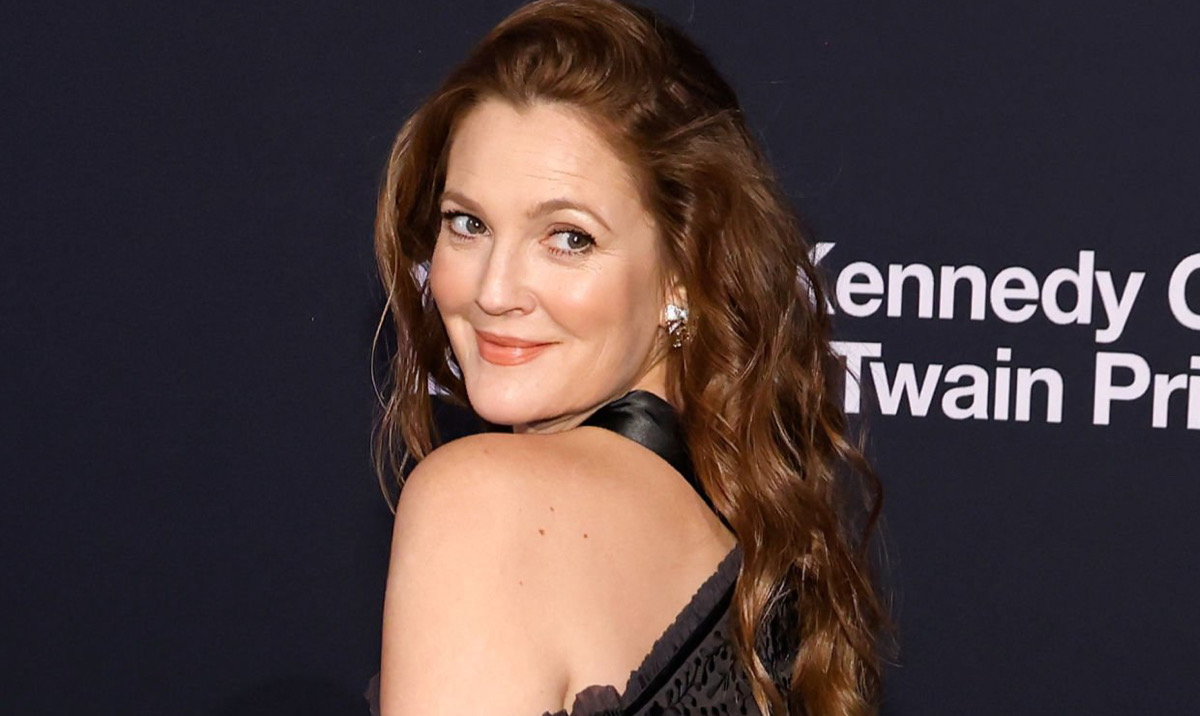
Drew Barrymore may be going through perimenopause but she wants people to know that she’s not old and dried up!
During an Oprah Daily panel published Wednesday, the 48-year-old actress explained that she’s still outside dating but refrains from having conversations about menopause due to its negative connotations.
“There’s something in that stigma that I don’t want you to think I’m some dusty, old, dry thing. That’s not the image I want,” the 48-year-old actress said during an Oprah Daily panel published Wednesday.
Barrymore, who recently revealed she is going through perimenopause, explained during the conversation with Oprah Winfrey, Maria Shriver and others that she is “very confident” while going through this stage in her life but does not want to be judged for her hormonal changes.
“I want to be who I am and present myself. But in that moment, I thought, ‘I have to tell this story’ because it was a real life experience of, I’m so proud to be here. I’m an open book. But in that one moment, I was like, ‘I don’t want to say what it is, because I’m engaging in someone who I want to see me a certain way,’” she shared.

What Is Perimenopause
According to John Hopkins Medicine, “Perimenopause is the time around menopause when your ovaries gradually stop working. This is a natural process that causes physical and emotional symptoms. It does not need treatment, but treatment can help lessen symptoms. Treatment includes hormones, antidepressants, and lifestyle changes.”
Oprah Winfrey also opened up about her experience and shared that a doctor misdiagnosed her menopause symptoms and gave her heart medicines.
She shared a video of her explaining what she went through on Instagram. She said in the caption, “No woman should feel alone and invisible in this journey through menopause, which is why @oprah is sharing her own story. Tap the link in our bio to watch her latest episode of ‘The Life You Want’ A Conversation on Menopause, available now on OprahDaily.com!
More On Menopause
Menopause is a point in time 12 months after a woman’s last period. The menopausal transition most often begins between ages 45 and 55. The transition affects each woman uniquely and in various ways. The body begins to use energy differently, fat cells change, and women may gain weight more easily. You may experience changes in your bone or heart health, your body shape and composition, or your physical function, the National Institute of Aging noted.
Drew, Babe.
you’re getting close… it’s a part of life.
blow the dust off that Thang, and give me a Crack at it… I’ll make and keep you wet…😋