

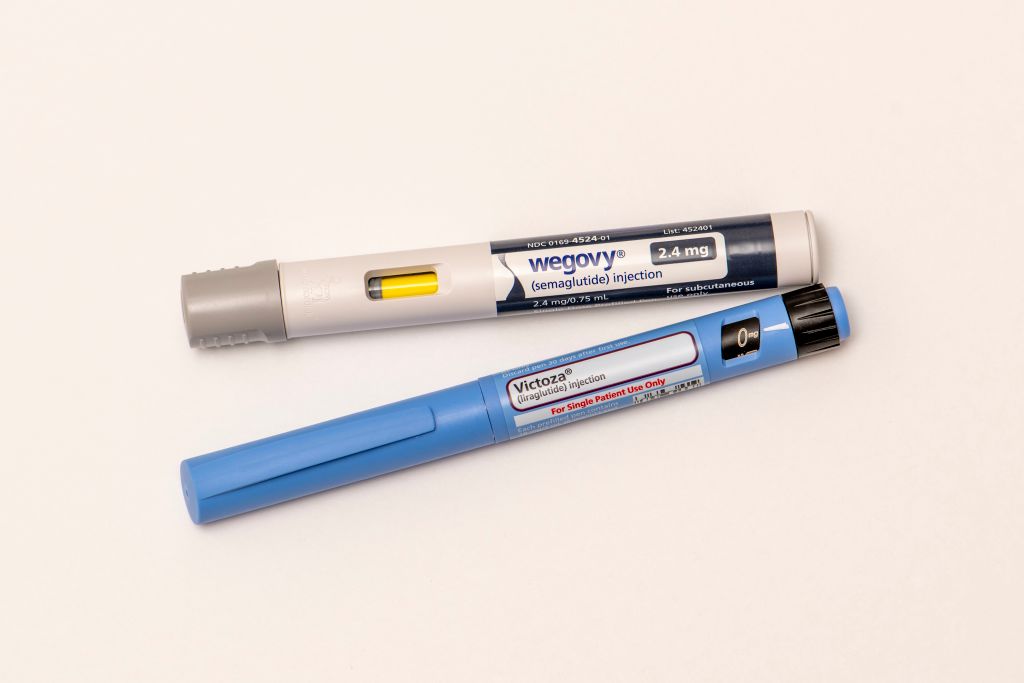
Paulsen Bronston, who was diagnosed with diabetes, began taking a newly suggested medication called Ozempic on his doctor’s advice in 2018. He hoped that the medicine would help him manage his condition, but unfortunately, it had the opposite effect. Despite the promised benefits, Bronston faced severe adverse effects, which eventually led to his hospitalization. He had to undergo gallbladder removal surgery due to unbearable pain and alarming symptoms, including jaundice. Bronston was living within the Navajo Nation in Kayenta, Arizona.
RELATED STORIES: Ozempic Side Effects Lawsuit Filed Against Novo Nordisk
According to USA Today, Bronston’s situation is just one of many. There are several lawsuits against Eli Lilly and Novo Nordisk, the pharmaceutical companies behind GLP-1 agonist drugs. These drugs are known for their effectiveness in managing diabetes and promoting weight loss but have been linked to severe digestive issues, leading to legal action. The consolidation of over sixty lawsuits under a federal judge in Philadelphia indicates the severity and prevalence of these allegations. It also highlights potential issues in patient safety and the lack of adequate warning about possible side effects.
GLP-1 agonists such as Ozempic, Wegovy, Rybelsus, Trulicity, and Mounjaro have gained widespread popularity due to their effectiveness, making them highly profitable for pharmaceutical companies. However, the increasing number of lawsuits against these drugs raises concerns about the balance between their benefits and risks, mainly when the side effects can result in life-altering conditions. Despite this, Novo Nordisk and Eli Lilly, the companies that manufacture these drugs, have defended their products, emphasizing their commitment to patient safety and the extensive research behind their medications. They argue that when used correctly under medical supervision, the benefits of their GLP-1 drugs, which have been available for over a decade, outweigh the potential risks.
RELATED STORIES: Diabetes Drug Danger: Counterfeit Ozempic Puts Health at Risk
This legal battle sheds light on the complexities of medication management, especially for chronic conditions like diabetes. The popularity of these drugs, driven by endorsements and promising results, contrasts sharply with the stories of individuals like Bronston, whose lives have been profoundly impacted by their side effects.
The cases also underscore the importance of thorough patient education and informed consent, highlighting the need for individuals to be fully aware of potential risks when starting a new medication. As the legal proceedings unfold, they will likely prompt a broader discussion on the responsibility of pharmaceutical companies to ensure the safety of their products and the need for rigorous post-market surveillance to protect public health.
The situation is a stark reminder of the delicate balance between innovation in treatment and the imperative to safeguard patient well-being, raising critical questions about the future of diabetes management and medication safety.