

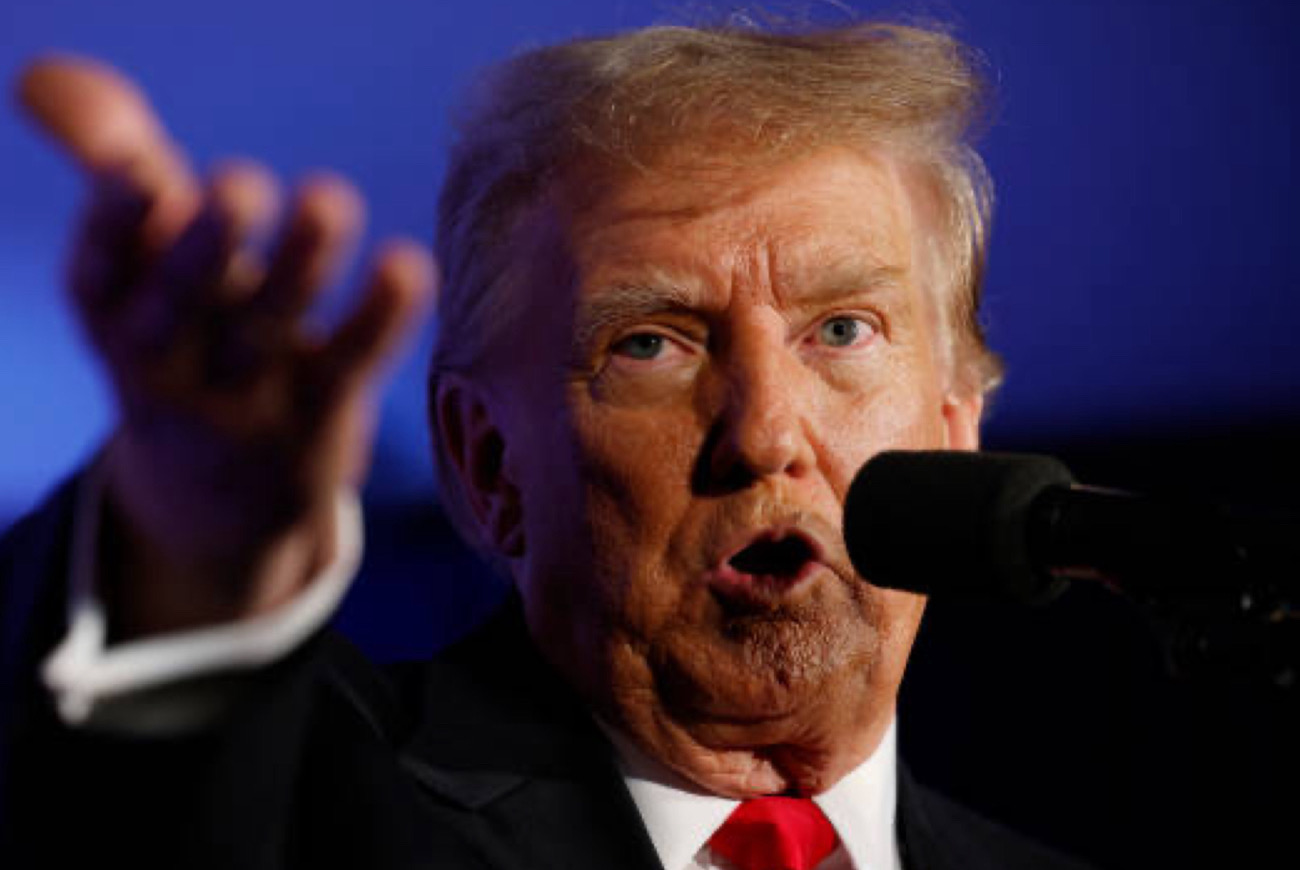
Donald Trump had some interesting things to say on his truth social platform, arguing that a president “must have full immunity, without which it would be impossible for him/her to properly function.”
Donald Trump’s fight for immunity has already been shot down but is now being reviewed by a D.C. appeals court. With a late night post to Truth Social, Trump shared a lengthy message which read, “any mistake, even if well intended, would be met with almost certain indictment by the opposing party,” Trump began by saying.
“EVEN EVENTS THAT ‘CROSS THE LINE’ MUST FALL UNDER TOTAL IMMUNITY, OR IT WILL BE YEARS OF TRAUMA TRYING TO DETERMINE GOOD FROM BAD,” Trump wrote. “THERE MUST BE CERTAINTY. EXAMPLE: YOU CAN’T STOP POLICE FROM DOING THE JOB OF STRONG & EFFECTIVE CRIME PREVENTION BECAUSE YOU WANT TO GUARD AGAINST THE OCCASIONAL ‘ROGUE COP’ OR ‘BAD APPLE.’ SOMETIMES YOU JUST HAVE TO LIVE WITH ‘GREAT BUT SLIGHTLY IMPERFECT.’ ALL PRESIDENTS MUST HAVE COMPLETE & TOTAL PRESIDENTIAL IMMUNITY, OR THE AUTHORITY & DECISIVENESS OF A PRESIDENT OF THE UNITED STATES WILL BE STRIPPED & GONE FOREVER. HOPEFULLY THIS WILL BE AN EASY DECISION. GOD BLESS THE SUPREME COURT!”
The former president has argued that his effort to overturn the 2020 presidential election results and his involvement with the Jan. 6, 2021, insurrection were part of his presidential responsibilities. He has said that he was investigating election fraud as president at the time even though there was no evidence of widespread fraud.
Trump’s Truth Social post came after he sat in a New York courtroom Wednesday in a trial to determine damages in E. Jean Carroll’s defamation case against him.
Trump was impeached by the House of Representatives following the January 6, 2021, Capitol riot but the Senate ultimately acquitted him. At the time, several senators, including then-Majority Leader Mitch McConnell, said the courts and justice system could still hold Trump accountable.
The immunity case is one of Trump’s only opportunities to derail his trial, which is set for early March. It poses a major question about constitutional separation of powers and is likely to shape the understanding of the presidency.