

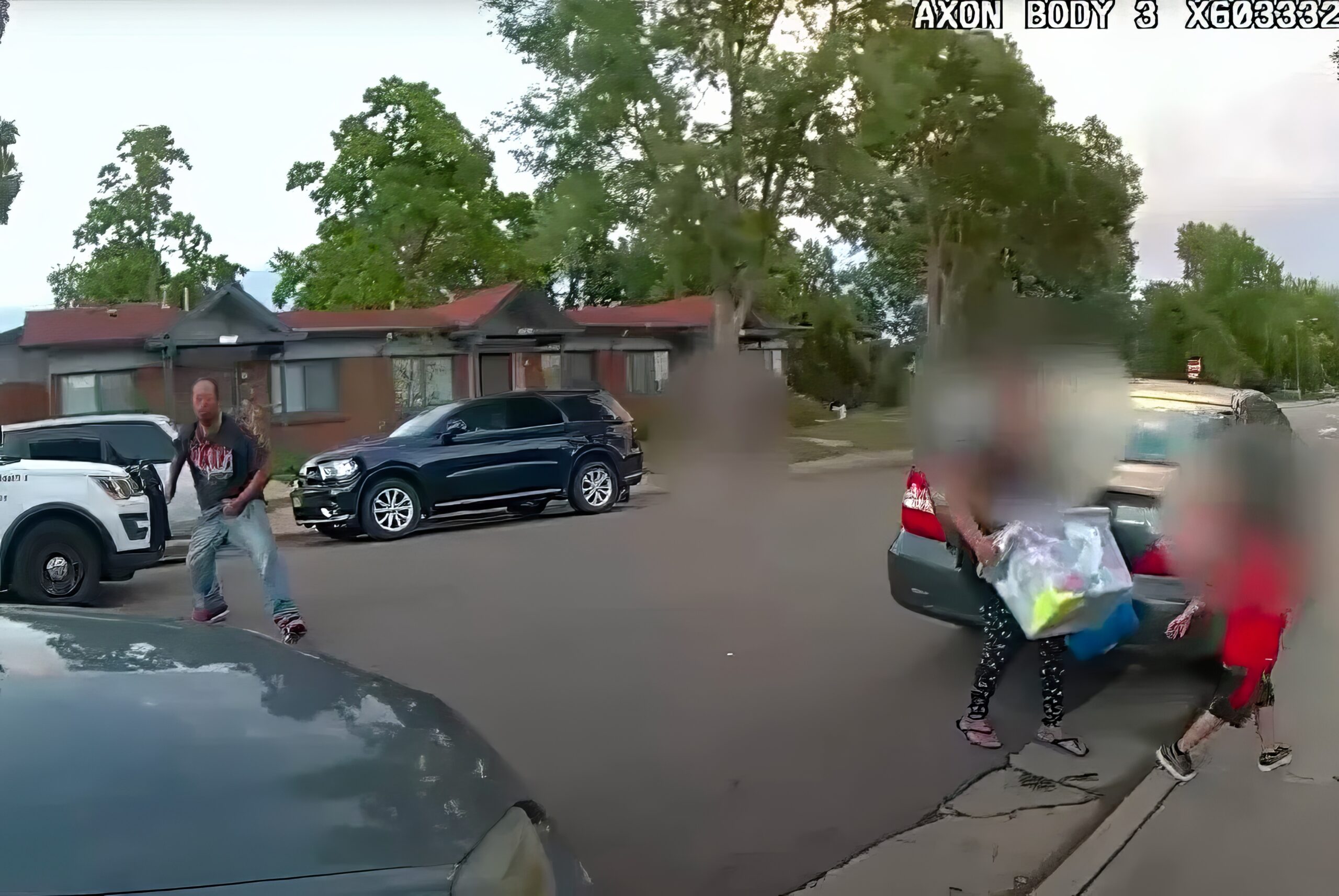
The recent incident involving a Denver police officer shooting and killing a man has sparked outrage and raised questions about the use of force by law enforcement. On August 5, the officer responded to a domestic violence call, where it was reported that a man had pushed his wife, who was in a wheelchair.
Body camera footage released by the Denver Police Department shows the officers arriving at the scene and encountering the man, who was yelling and behaving aggressively. In what appeared to be an attempt to de-escalate the situation, one of the officers believed that the man was holding a knife and tried to communicate with him. However, as the man started moving towards the officers, the female officer fired her gun twice, fatally shooting him. It was later discovered that the object in the man’s hand was not a weapon but a marker.
This tragic incident highlights the difficult decisions that police officers often have to make in high-pressure situations. In this case, the officer believed that her life and the lives of her fellow officers were in danger and made the split-second decision to use deadly force. However, with the benefit of hindsight, it is clear that a mistake was made. The man’s intentions were misunderstood, and a life was lost as a result.
The shooting took place only 40 seconds after the officers arrived on the scene, leaving little time for them to fully assess the situation. The officer who fired the shots had been with the department since 2019 and will undergo a reintegration program before returning to patrol duty. The incident is still under investigation, and it remains to be seen whether the officer will face any legal consequences for her actions.
RELATED: Footage Shows A Man Being Beat By Police While Holding A Baby In His Arms
This incident also raises broader concerns about police accountability and transparency. In 2022 alone, 1,201 people were killed by police, yet officers were charged with a crime in only 1% of those cases. This statistic highlights the need for greater scrutiny and oversight of law enforcement actions to ensure that unnecessary use of force is minimized and that officers are held accountable when they exceed their authority.